

What Opal Beads Will You Find in This Collection?
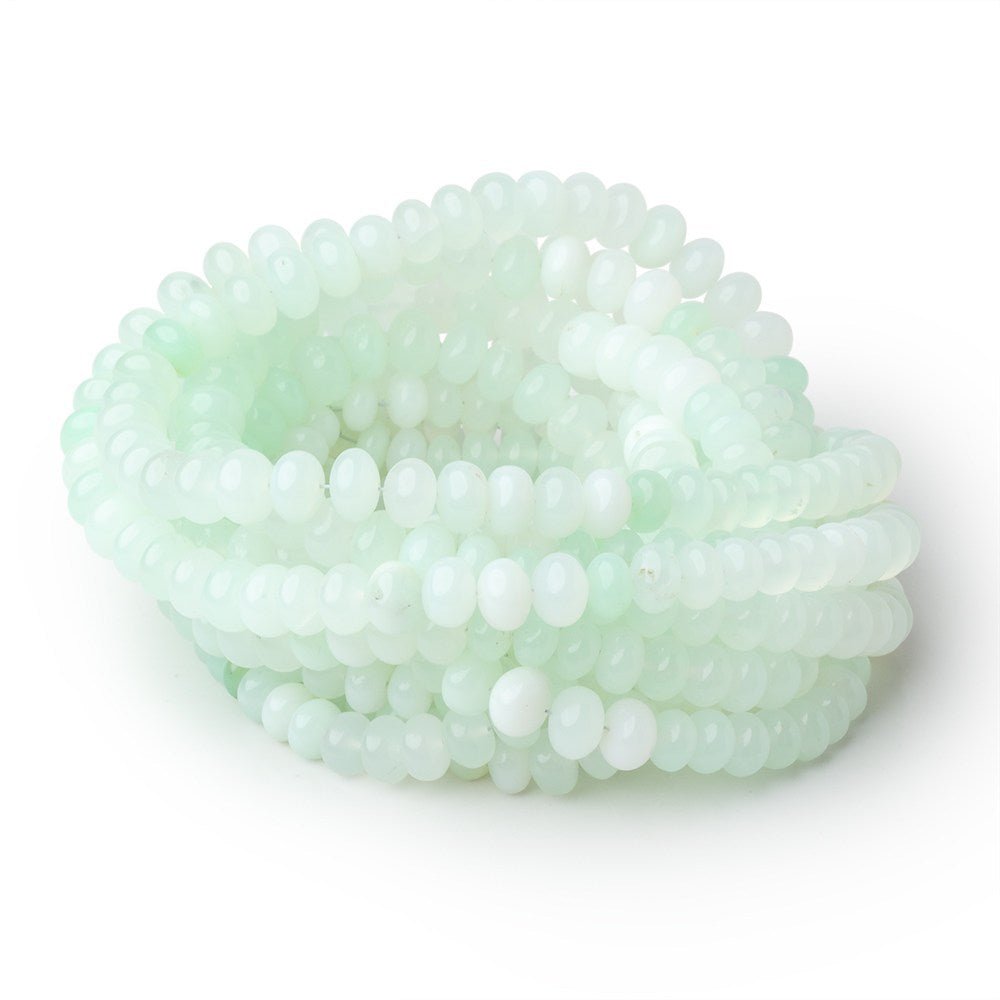
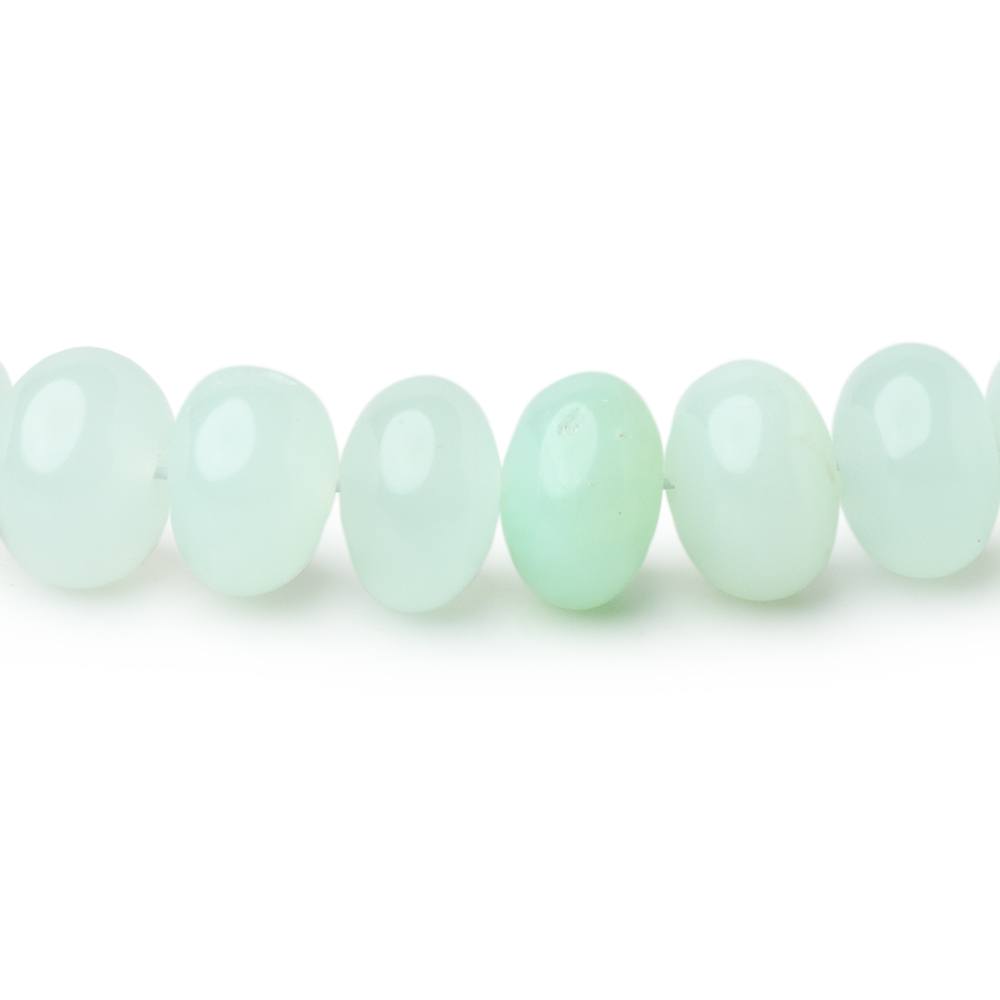
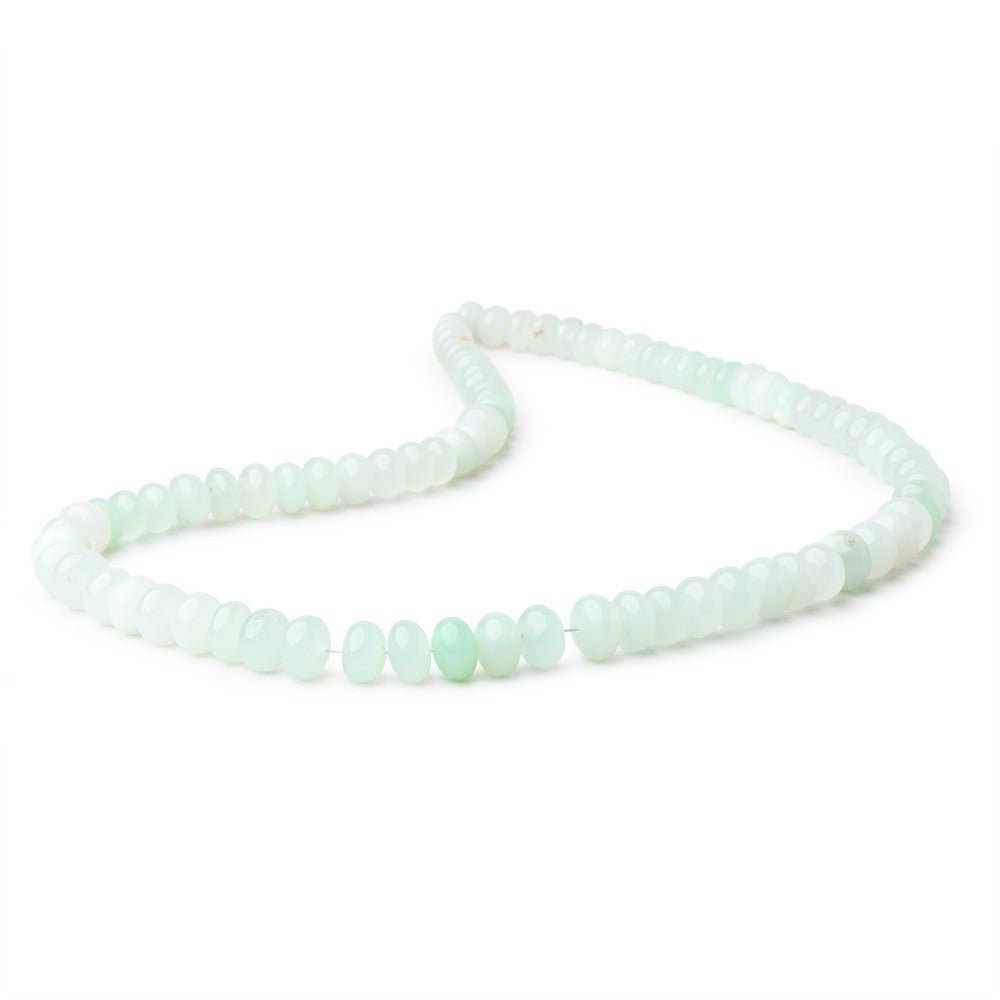
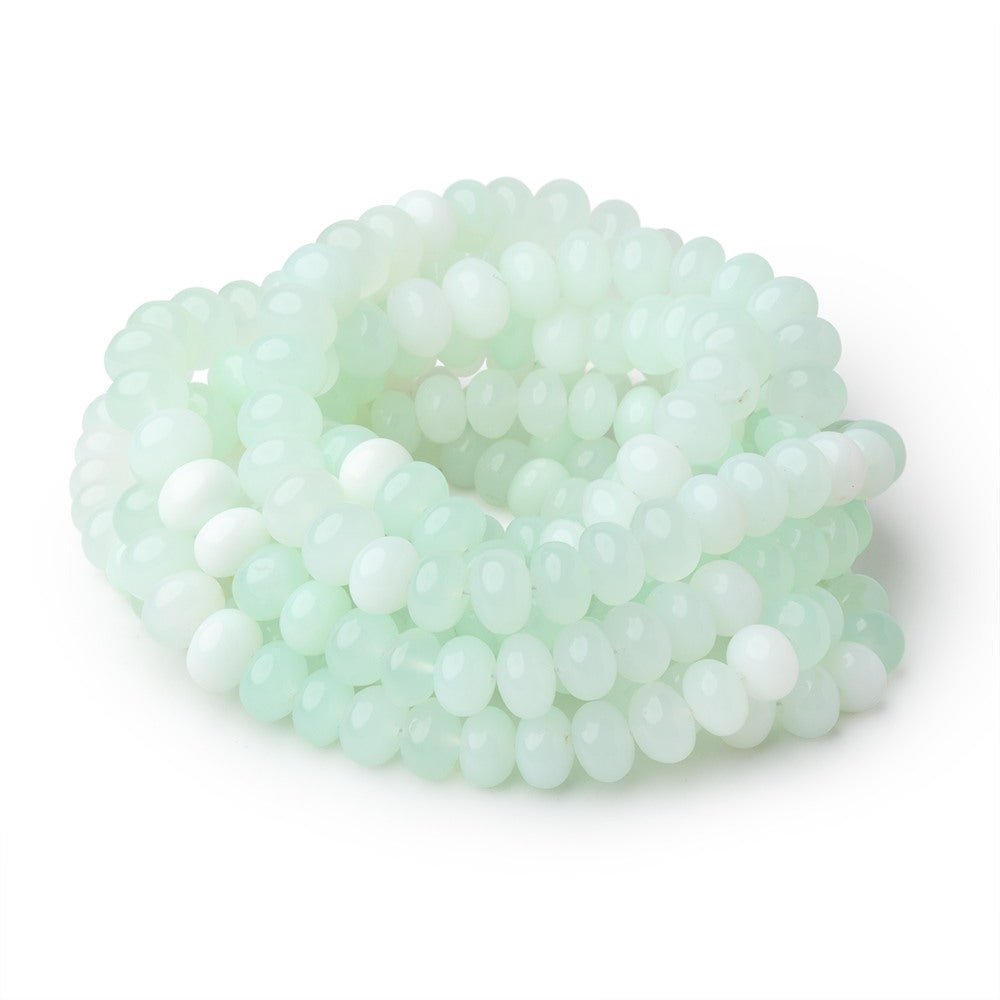
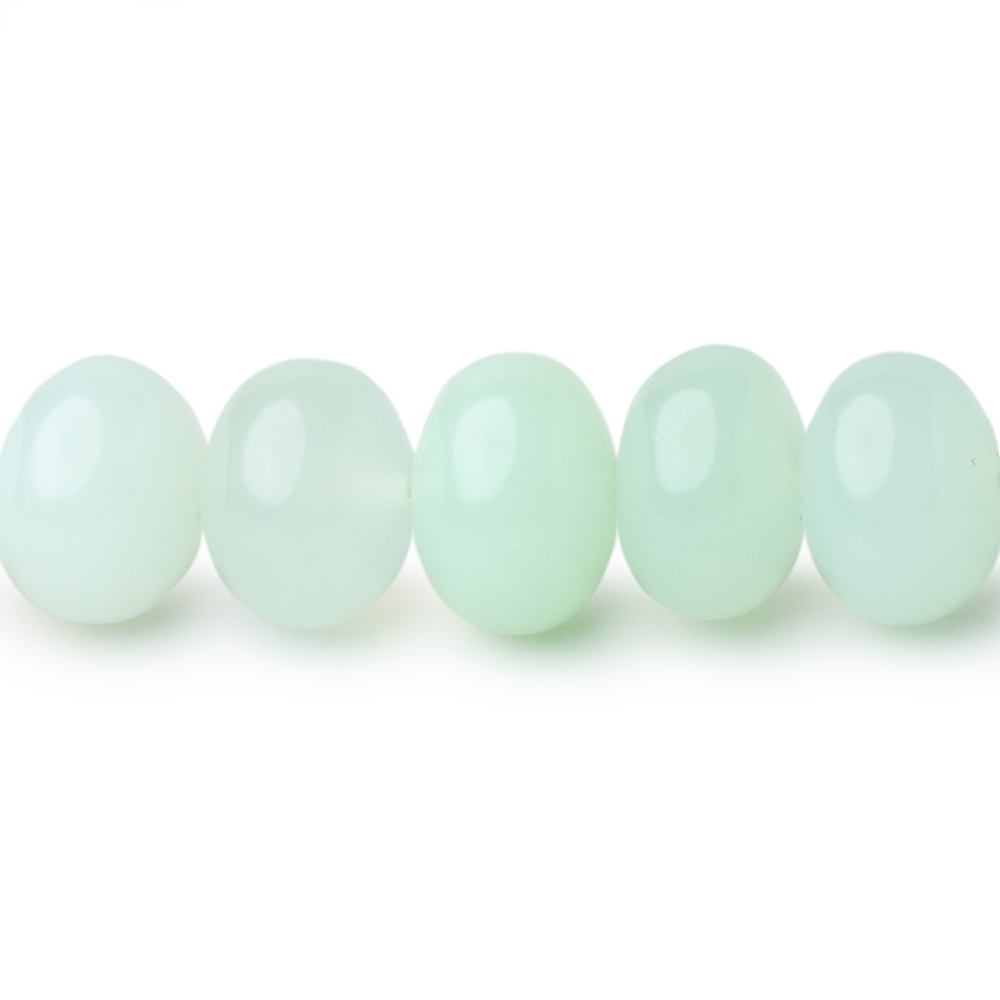
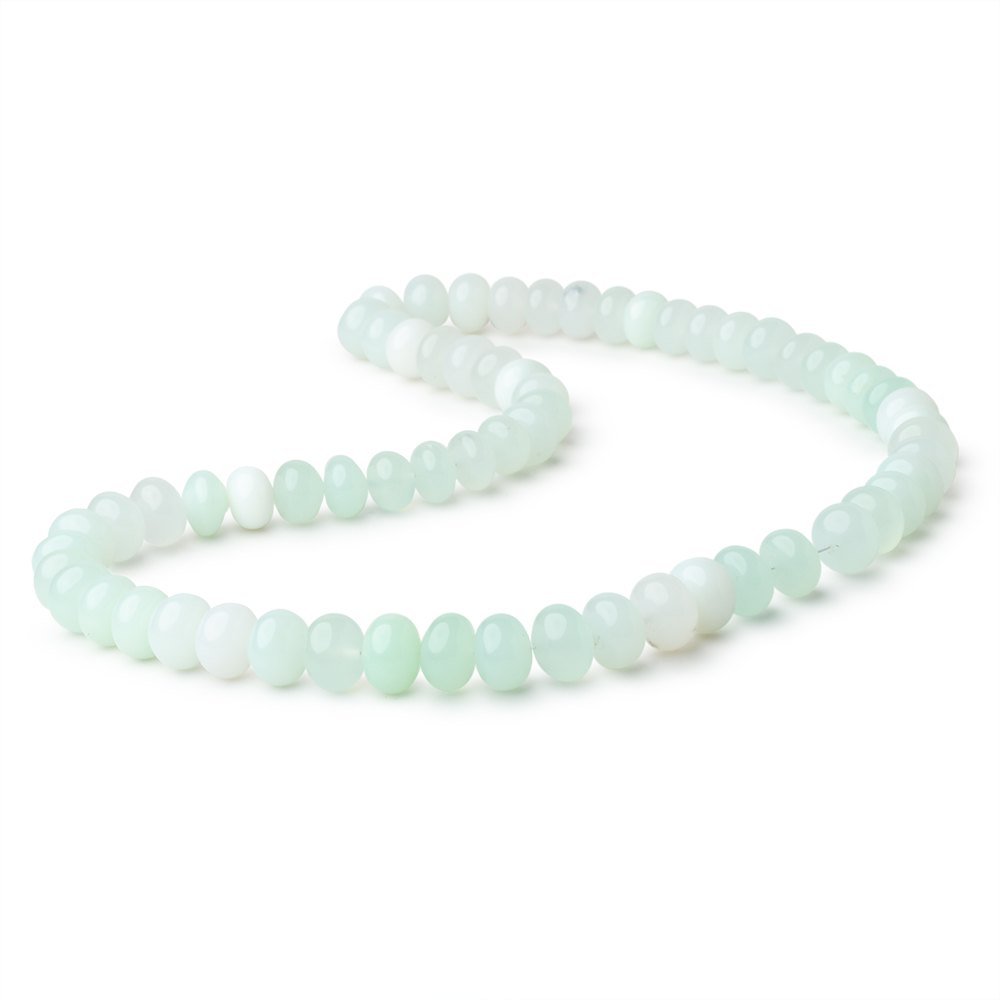
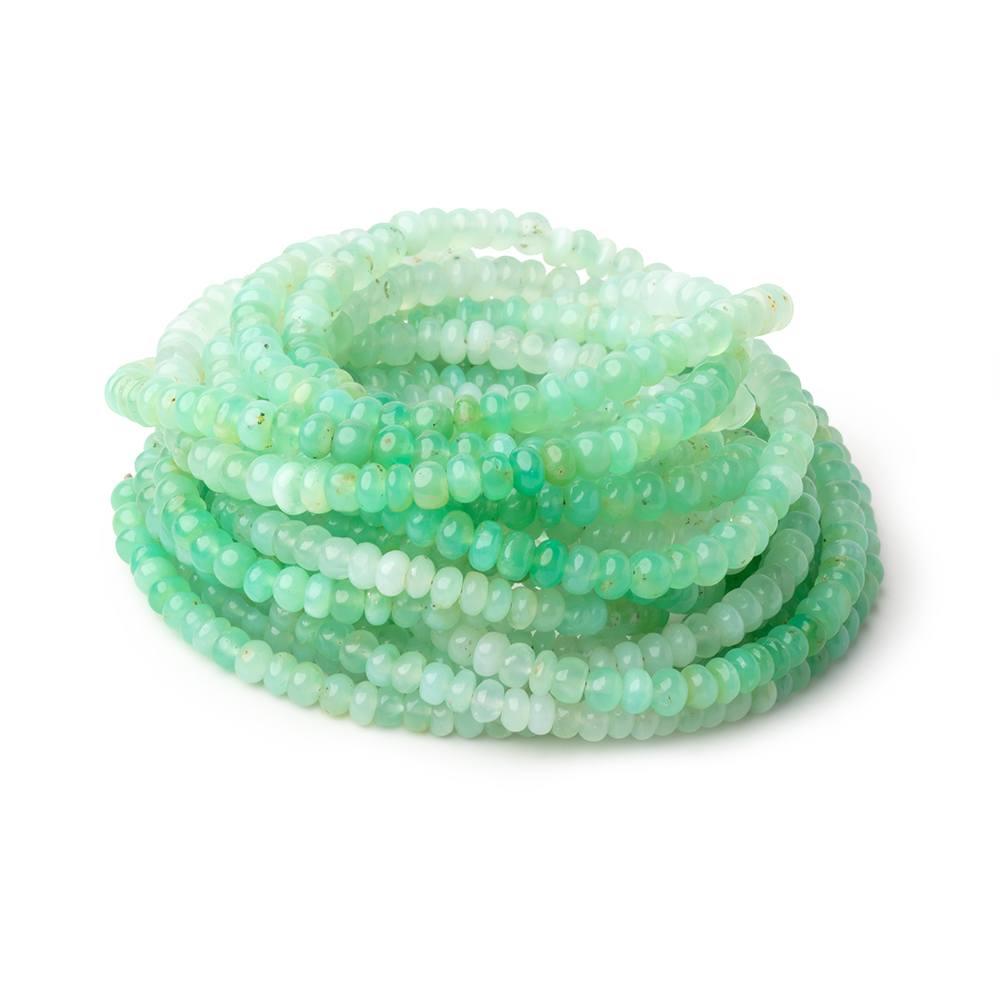
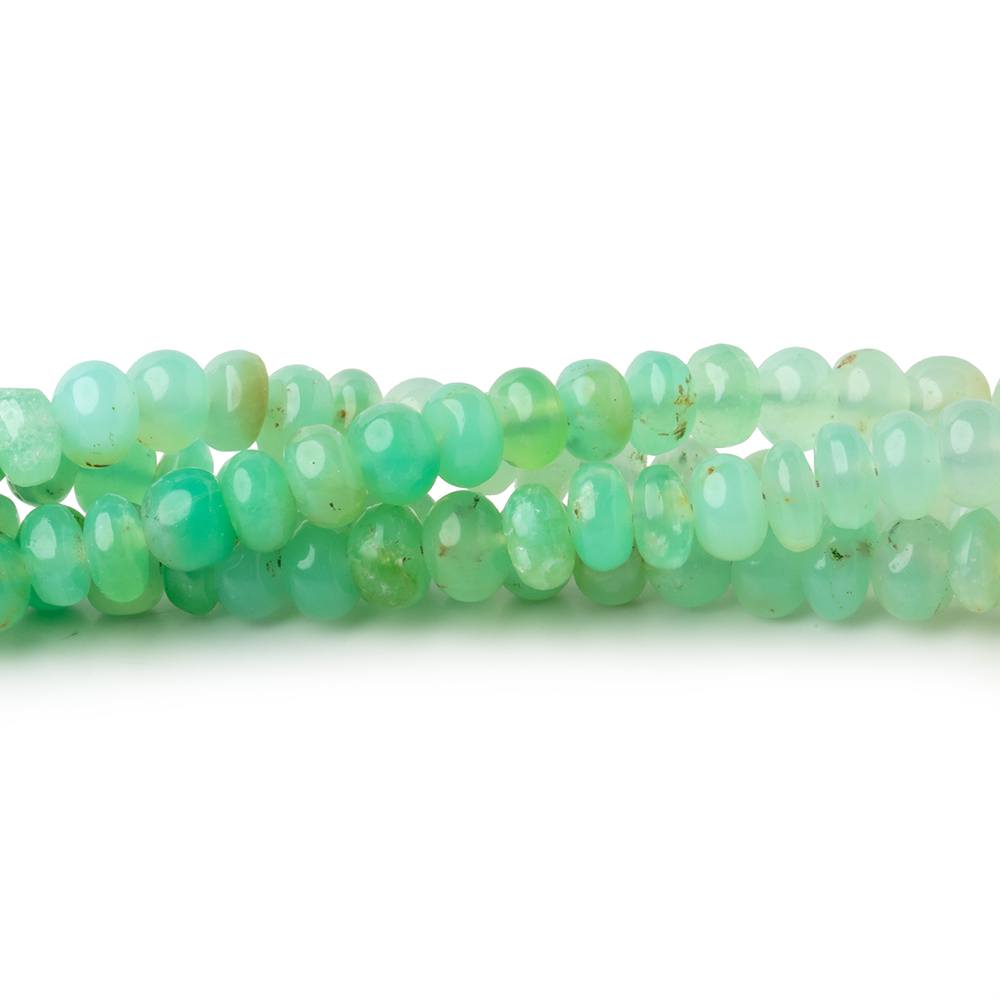
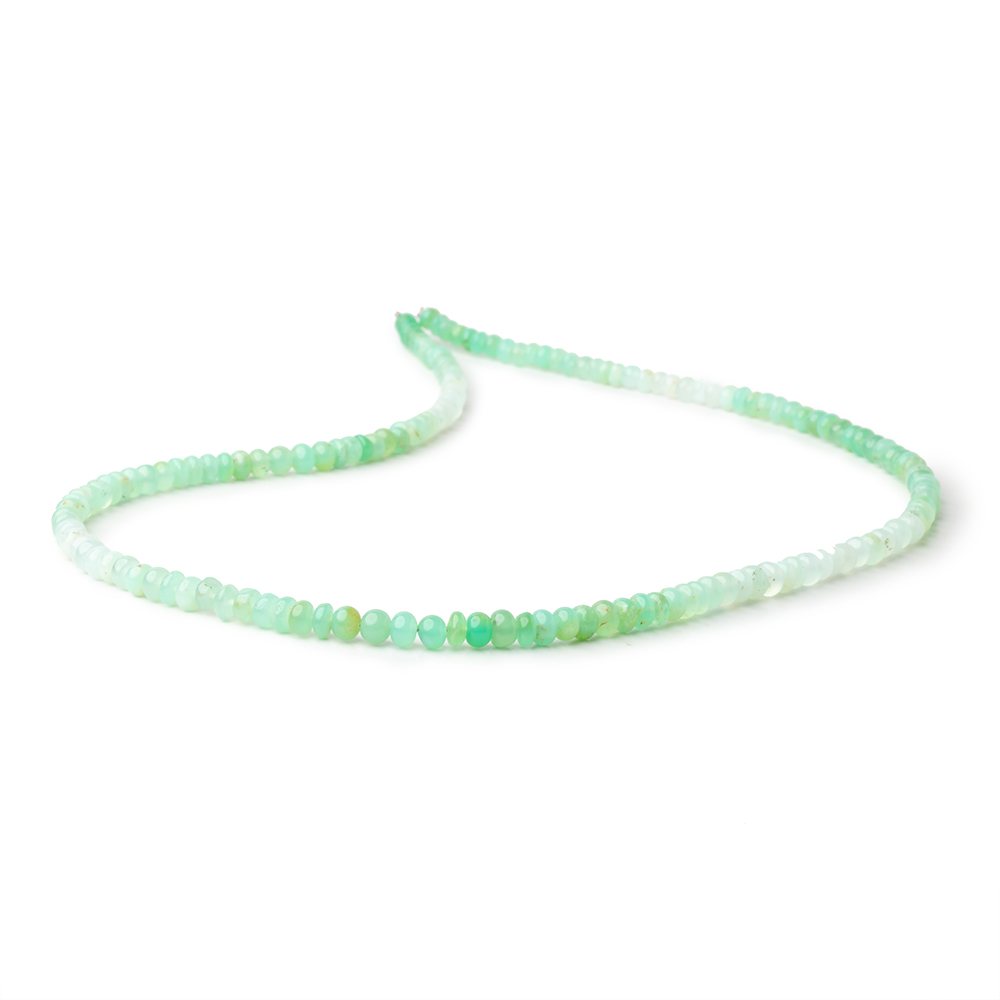
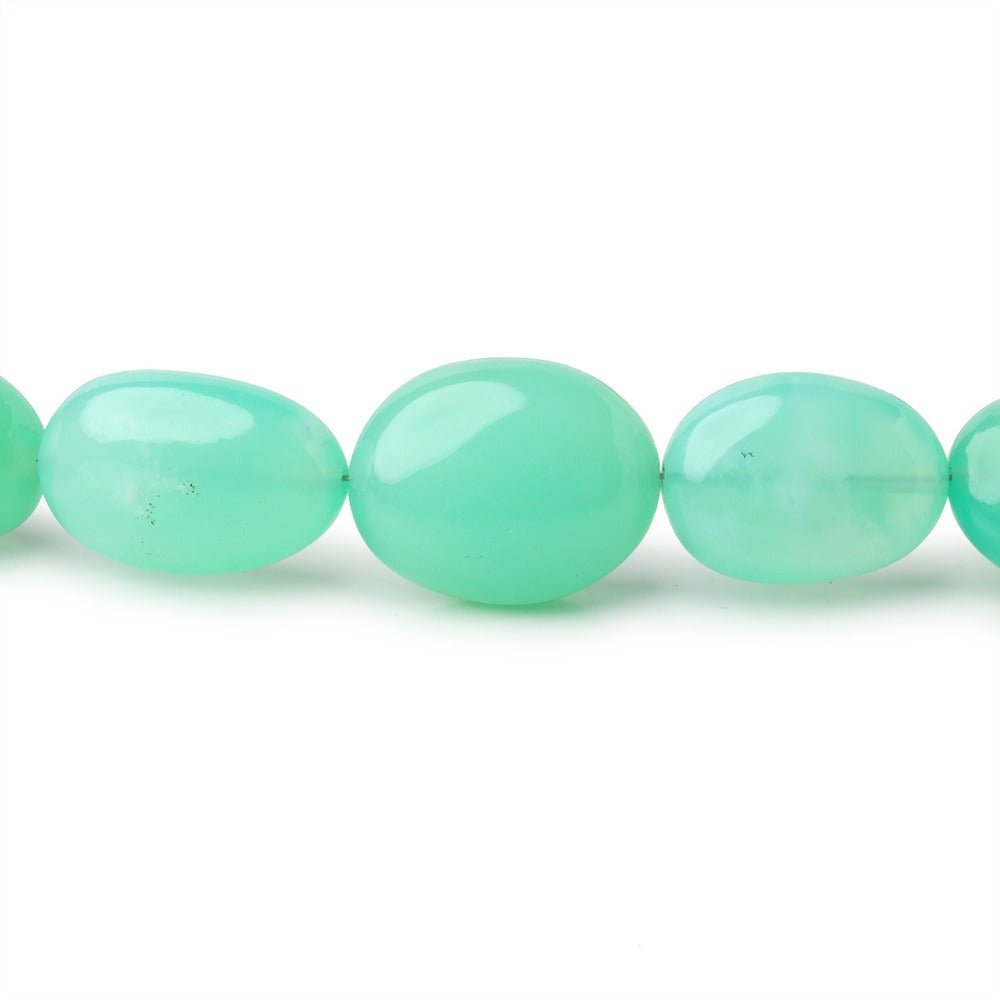
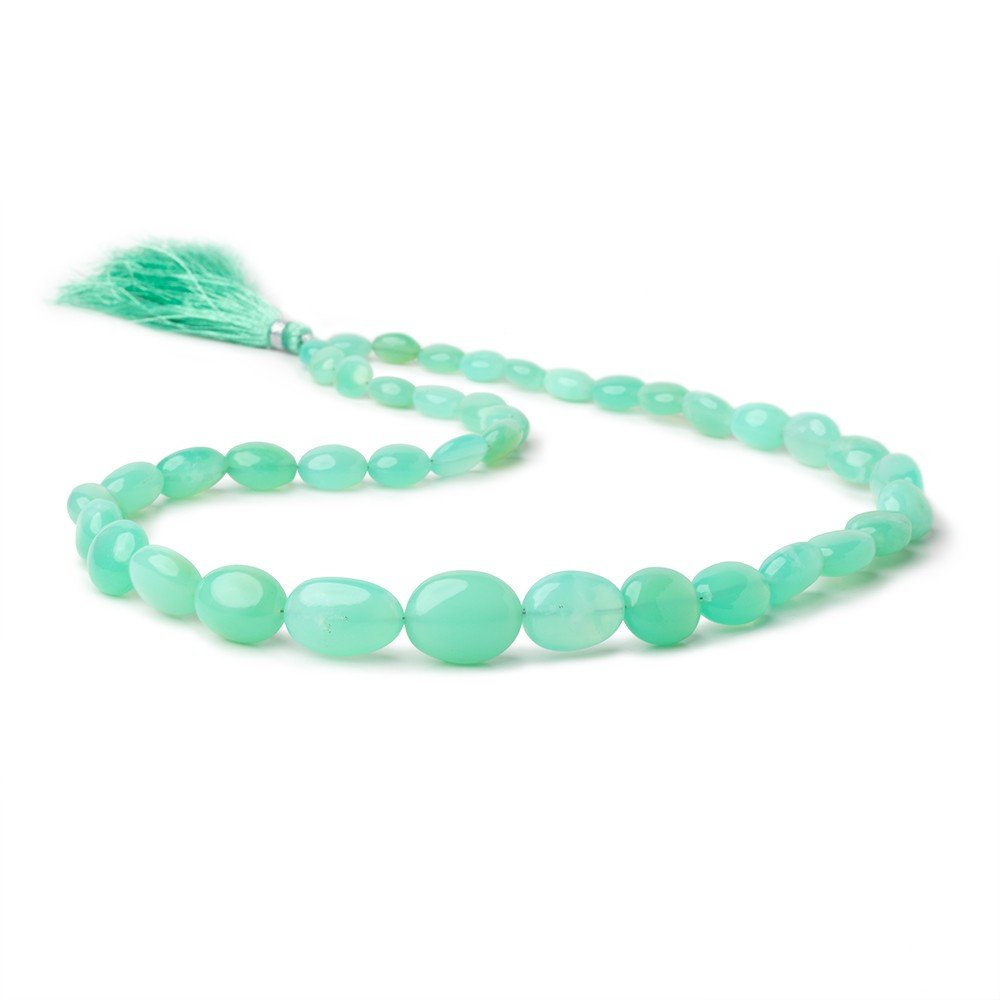
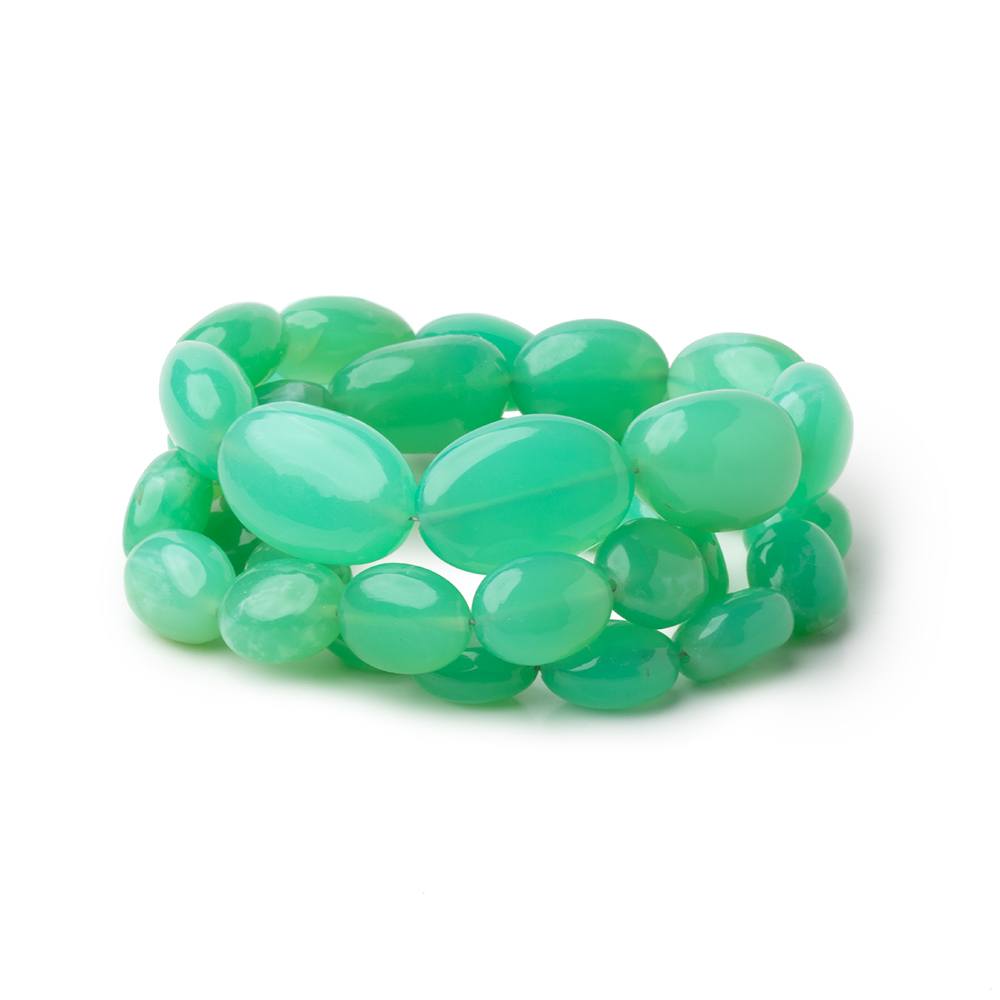
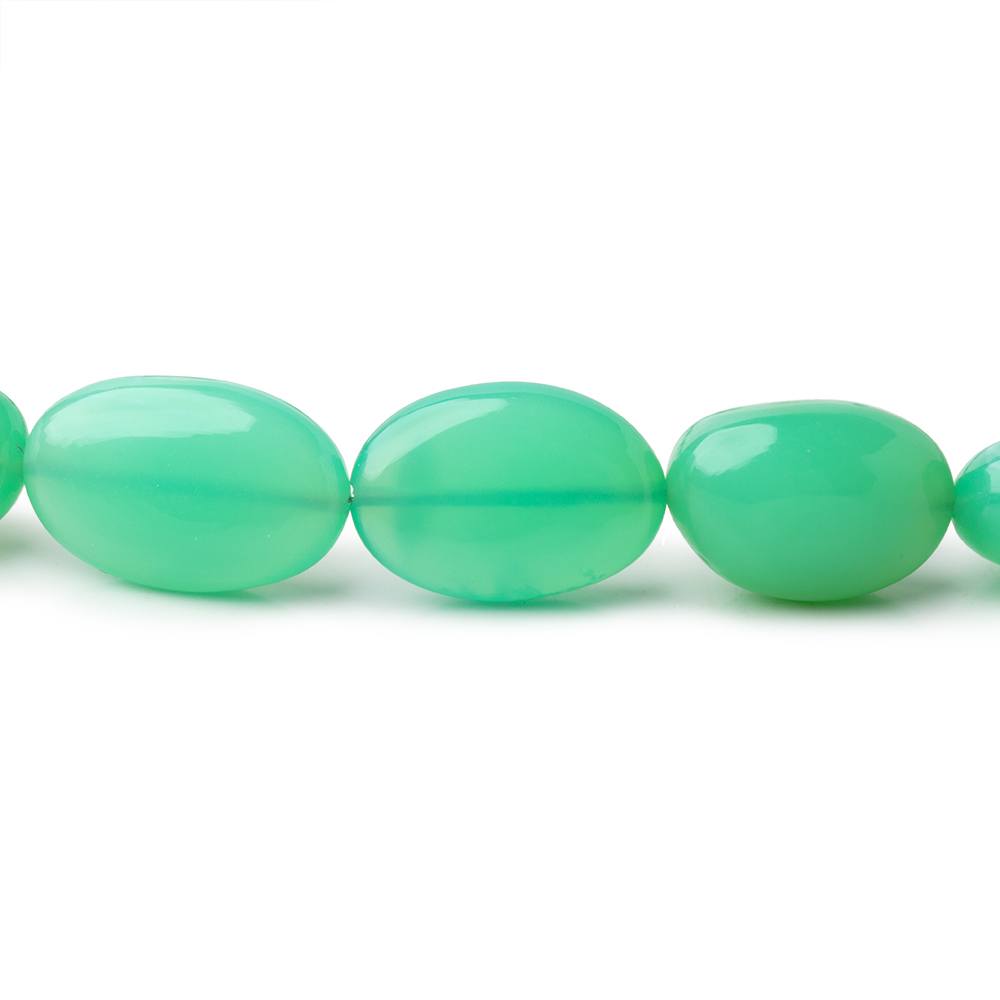
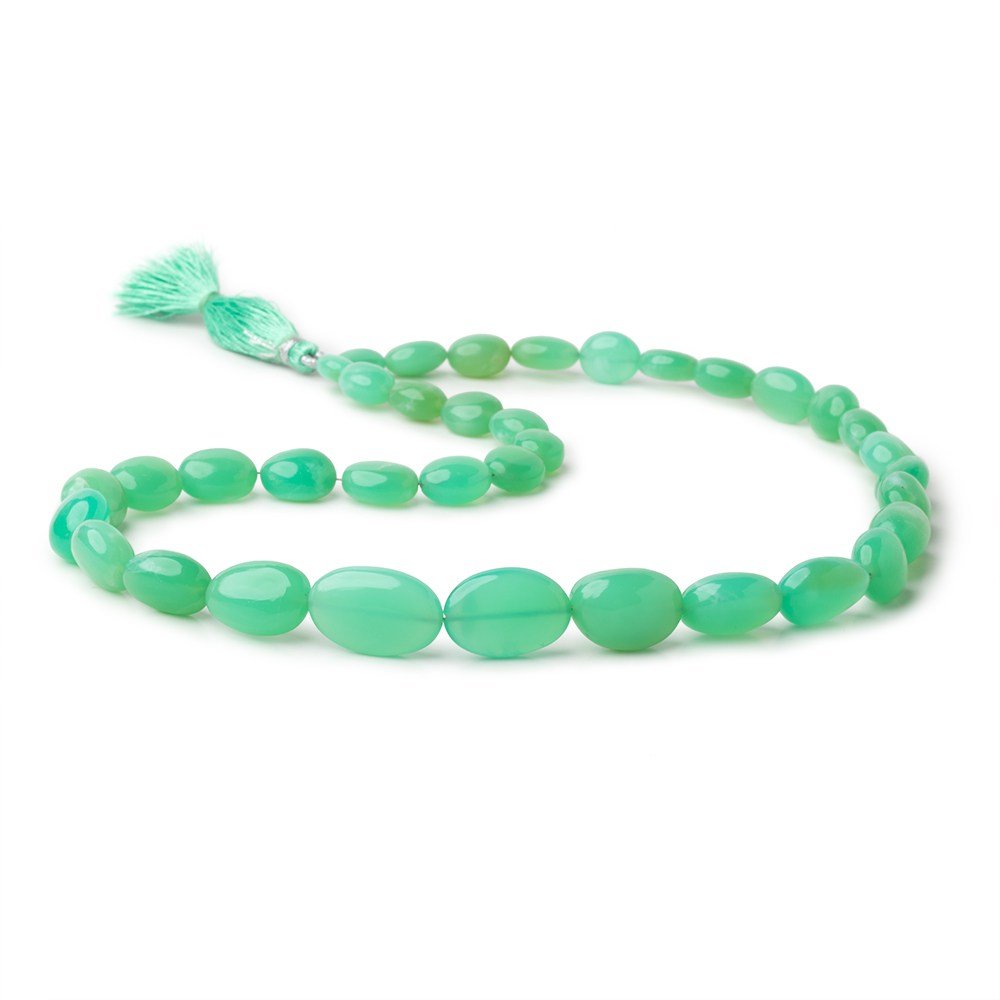
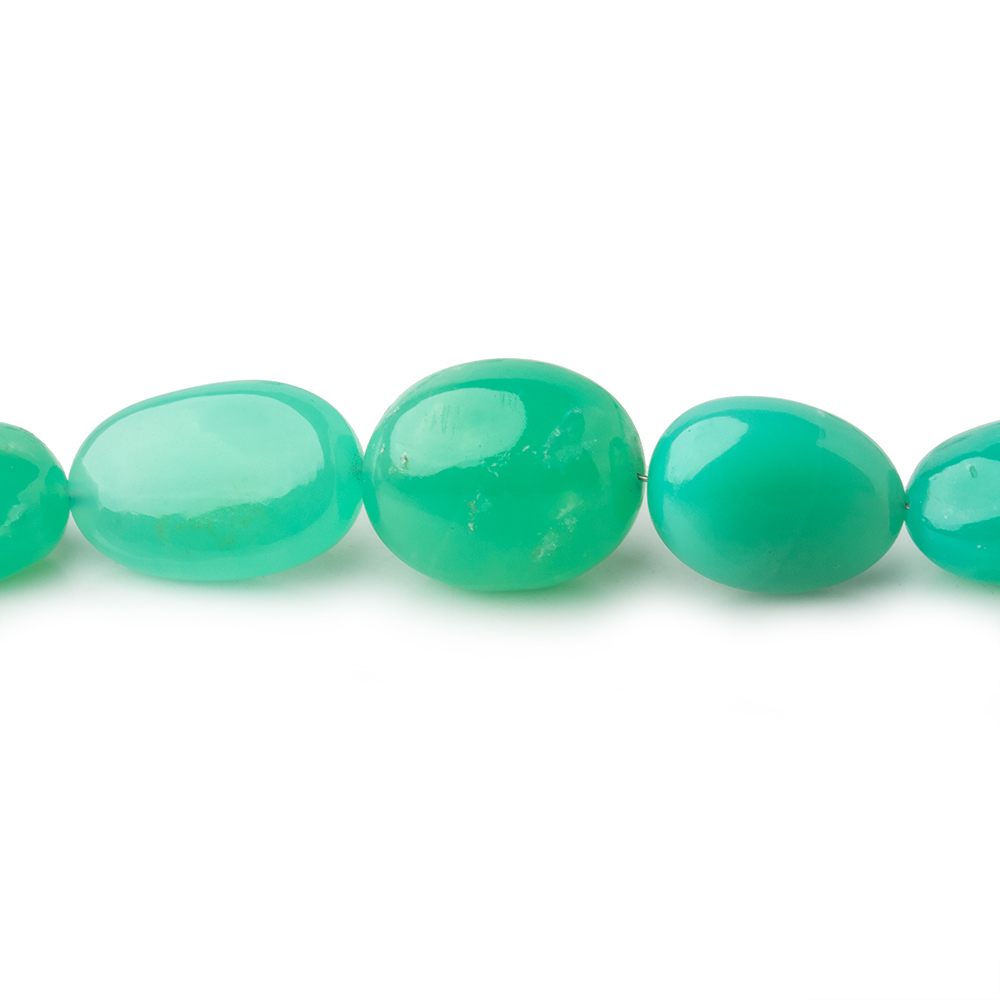
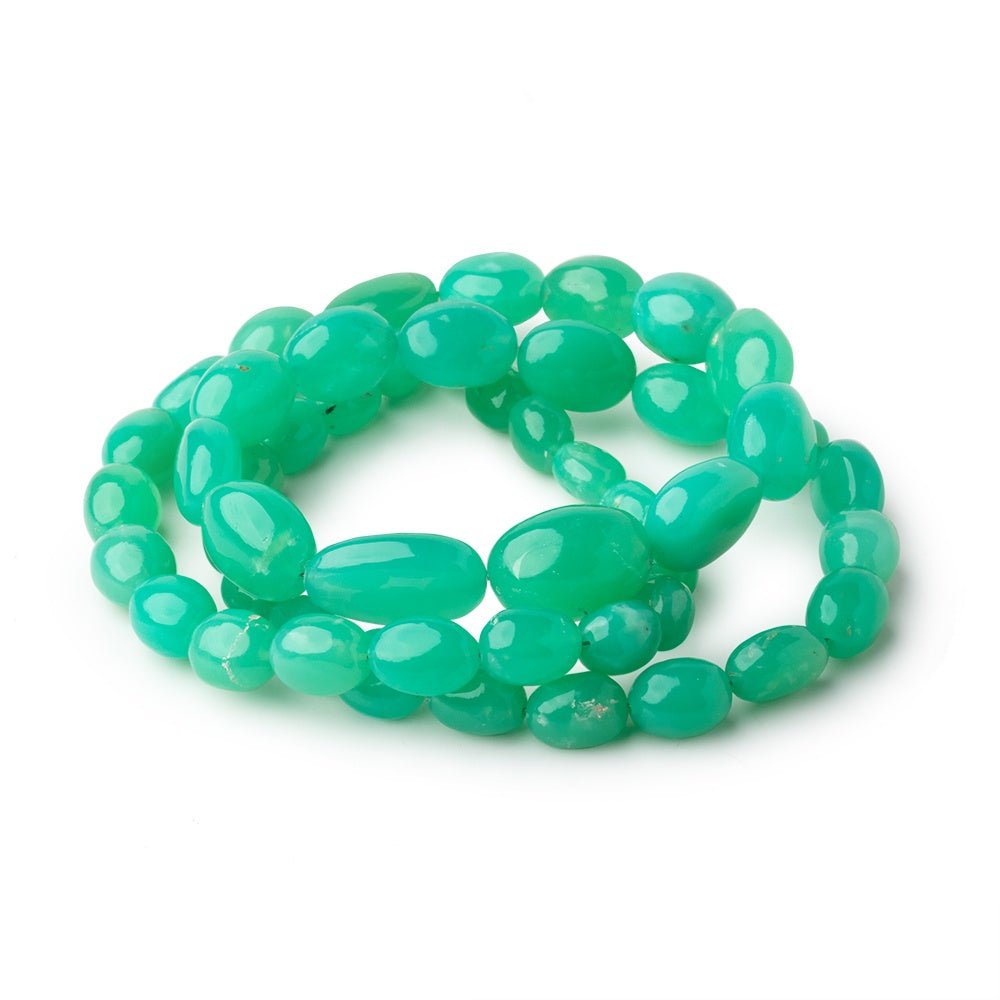
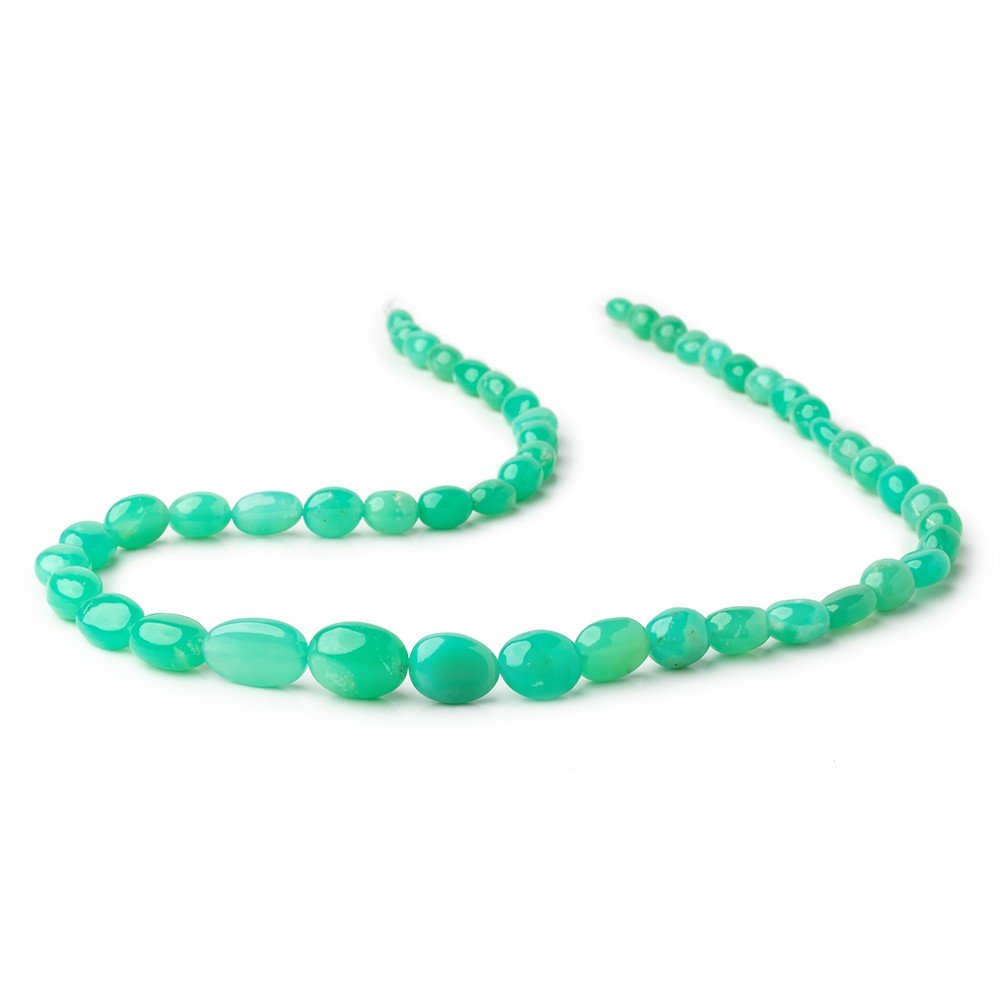
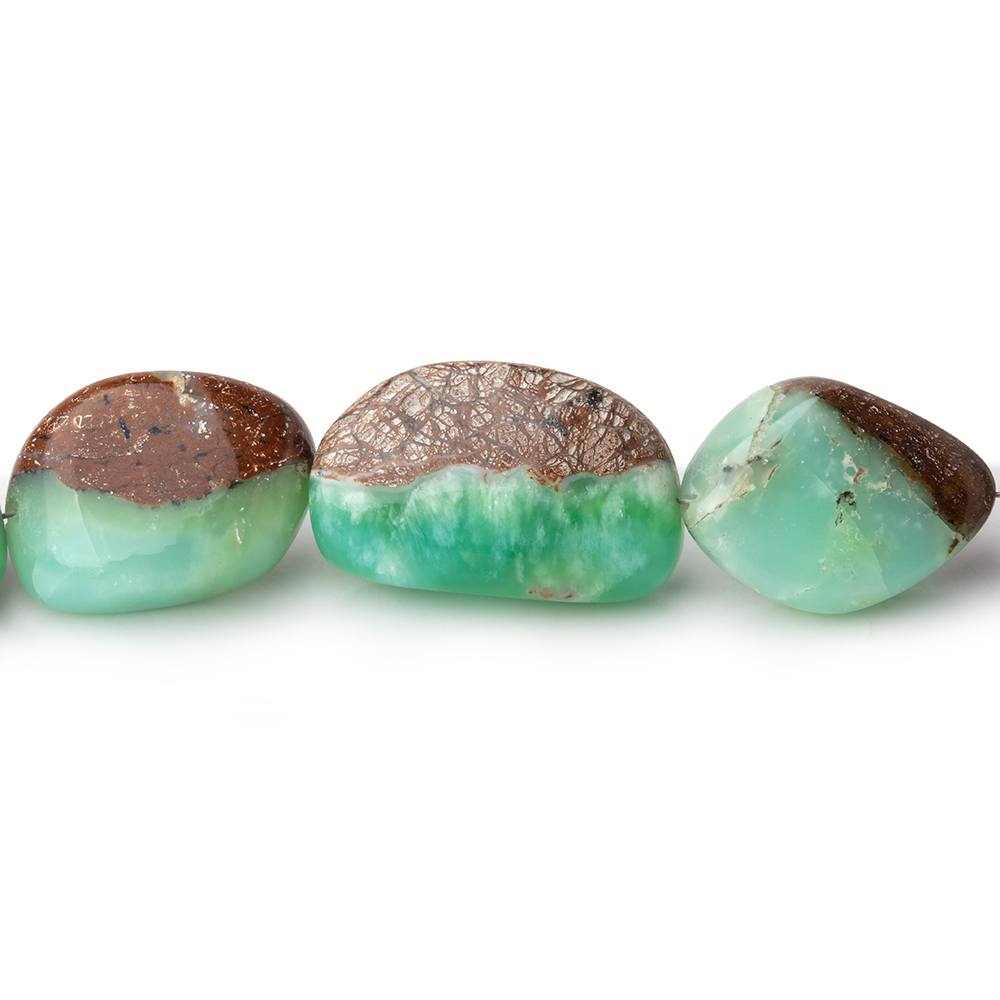
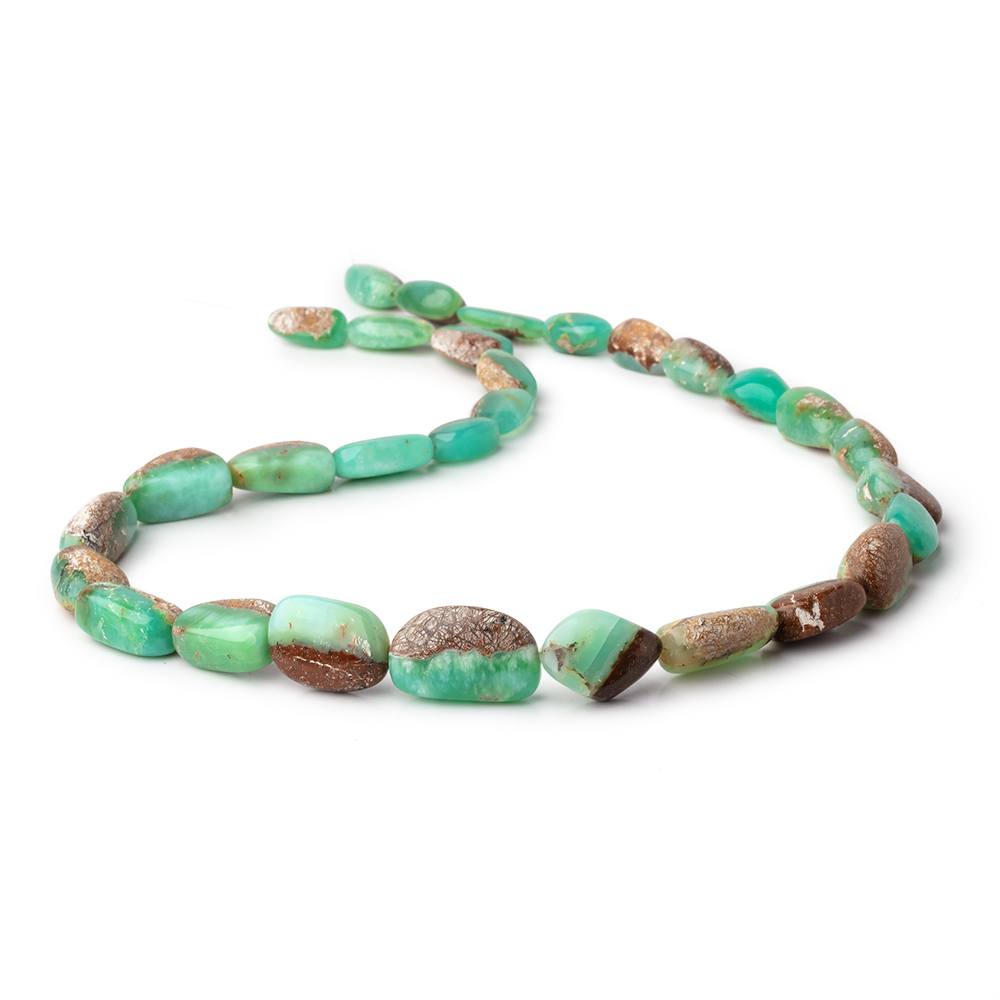
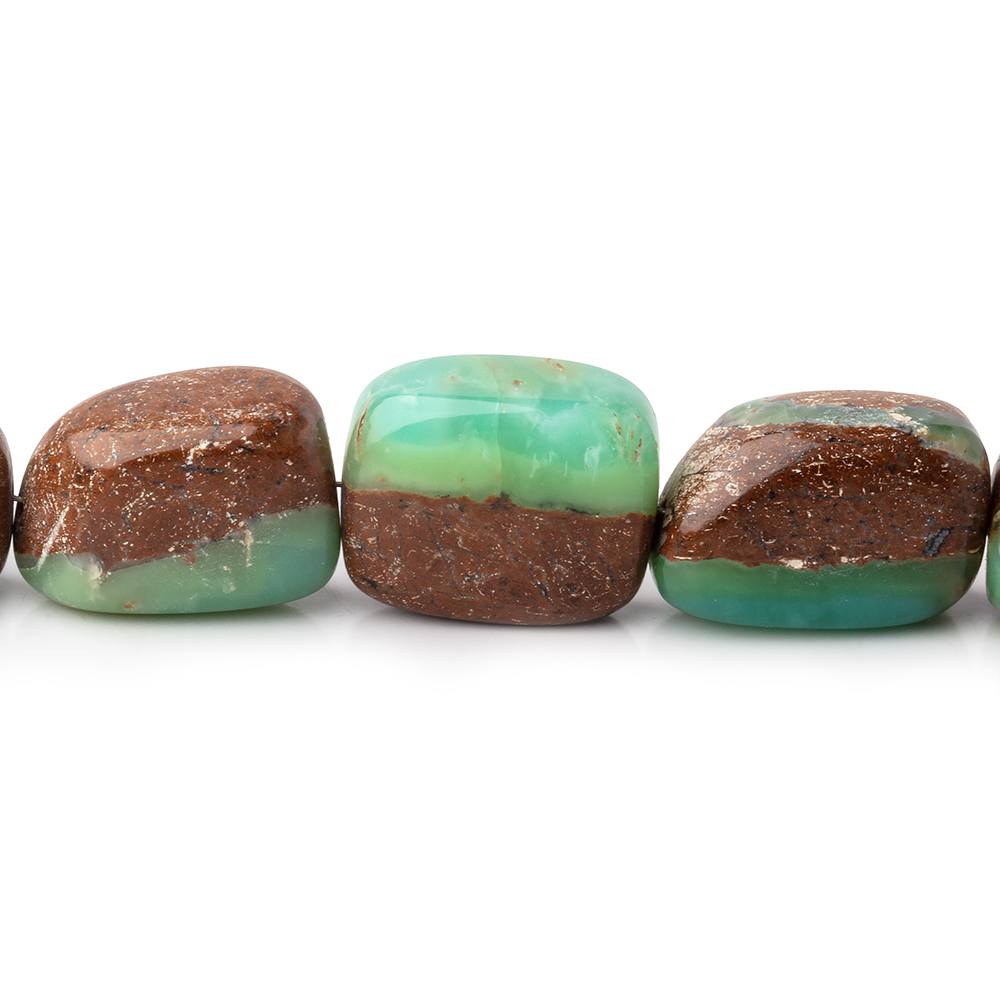
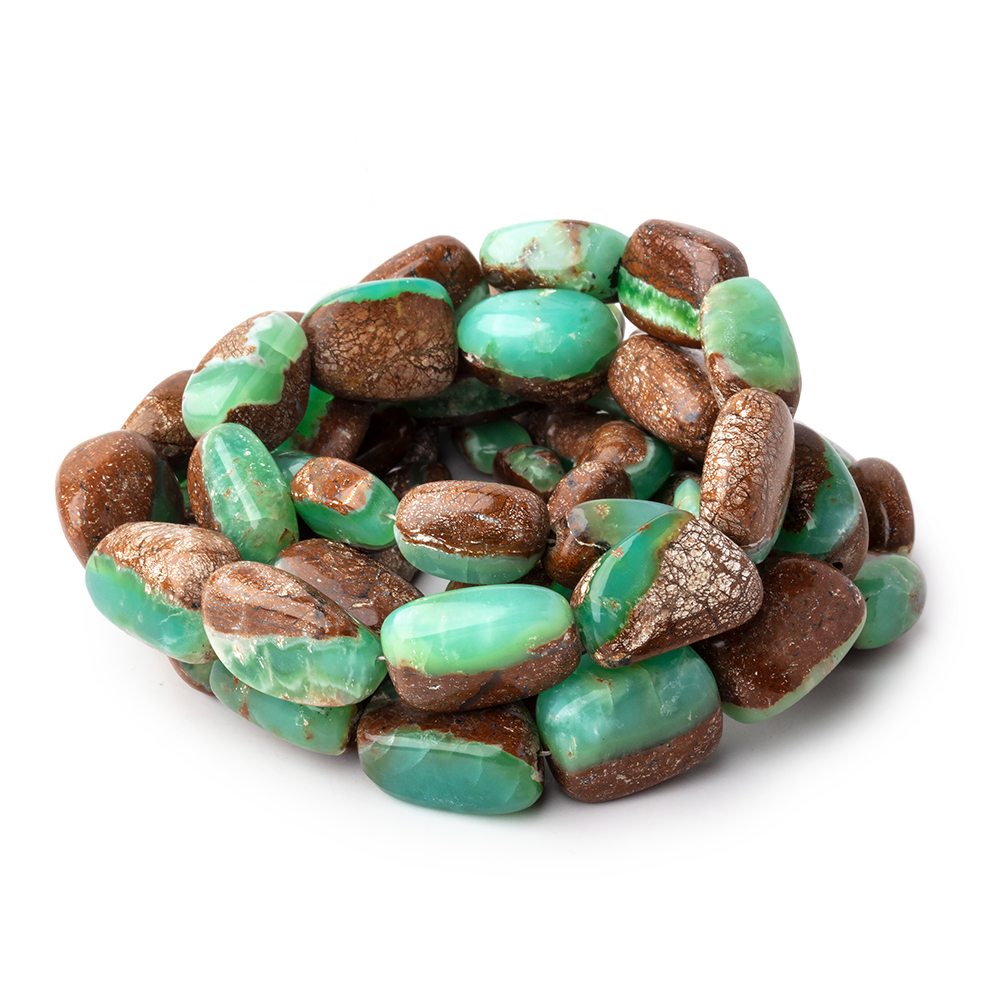
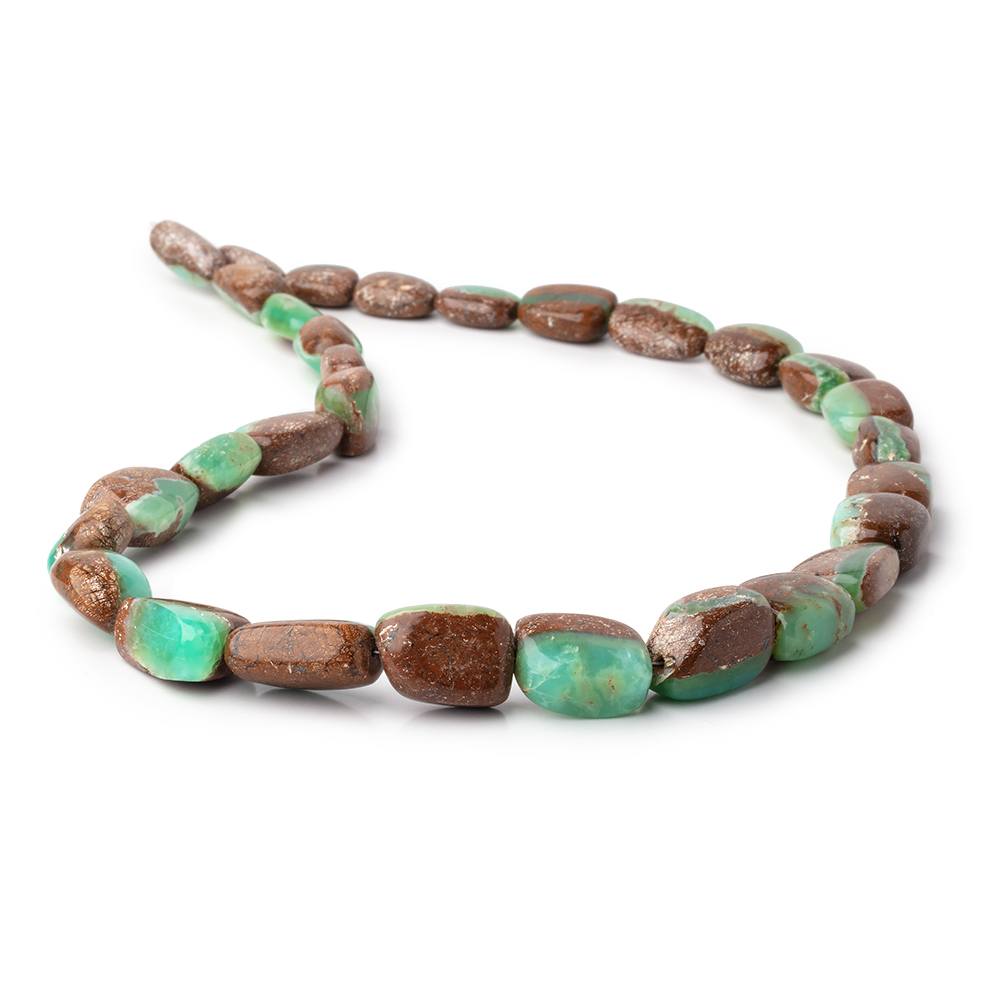
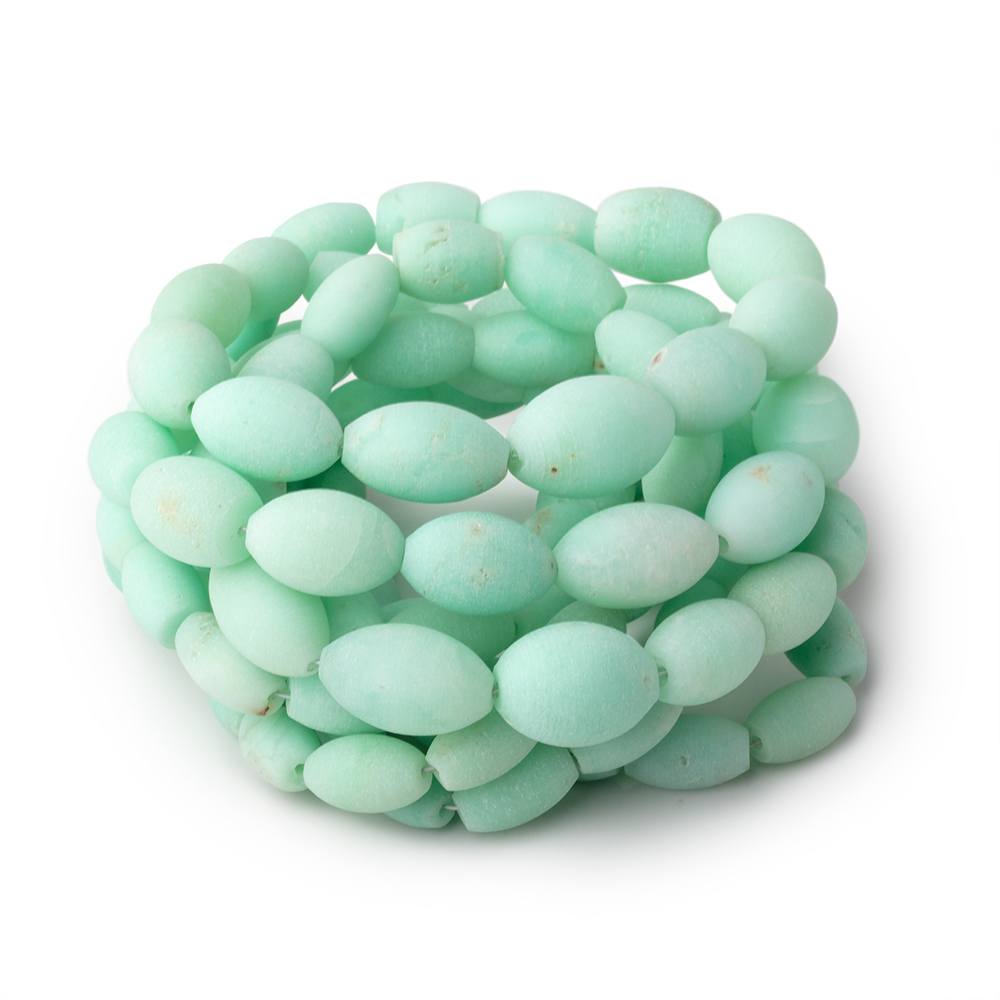
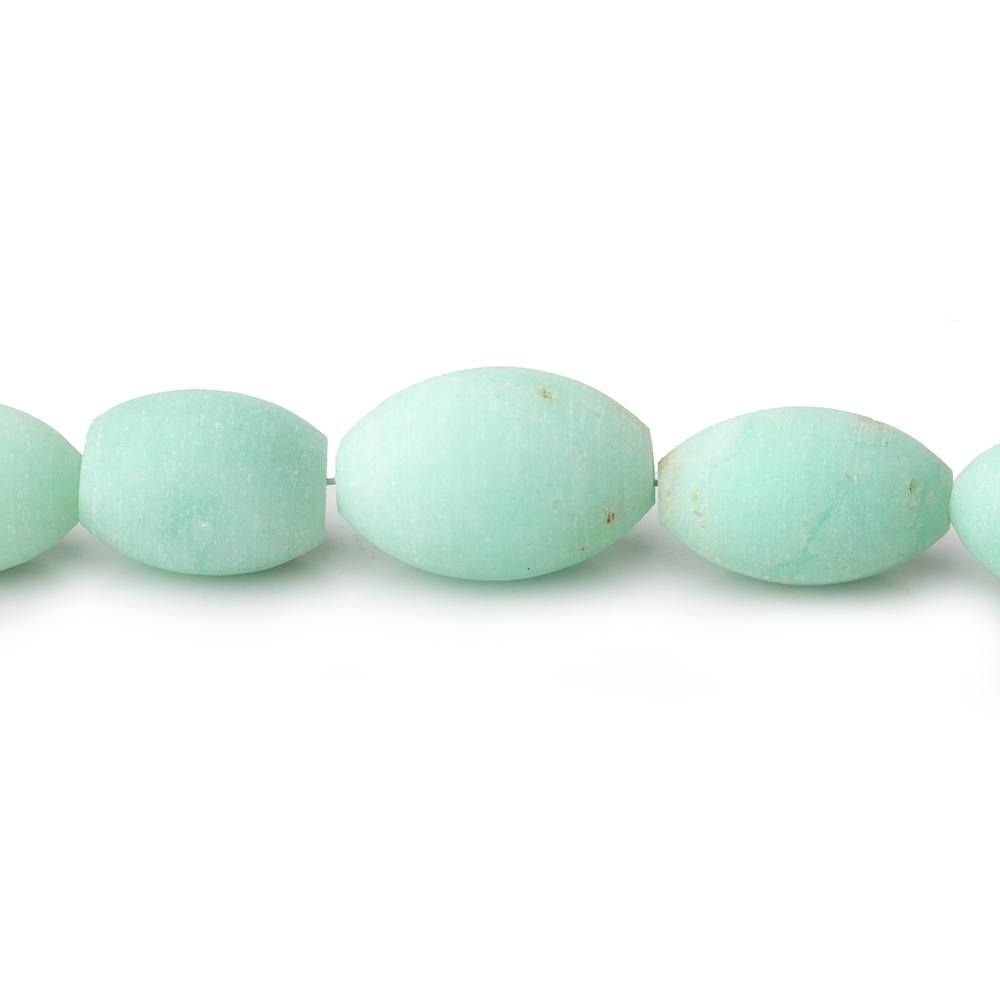
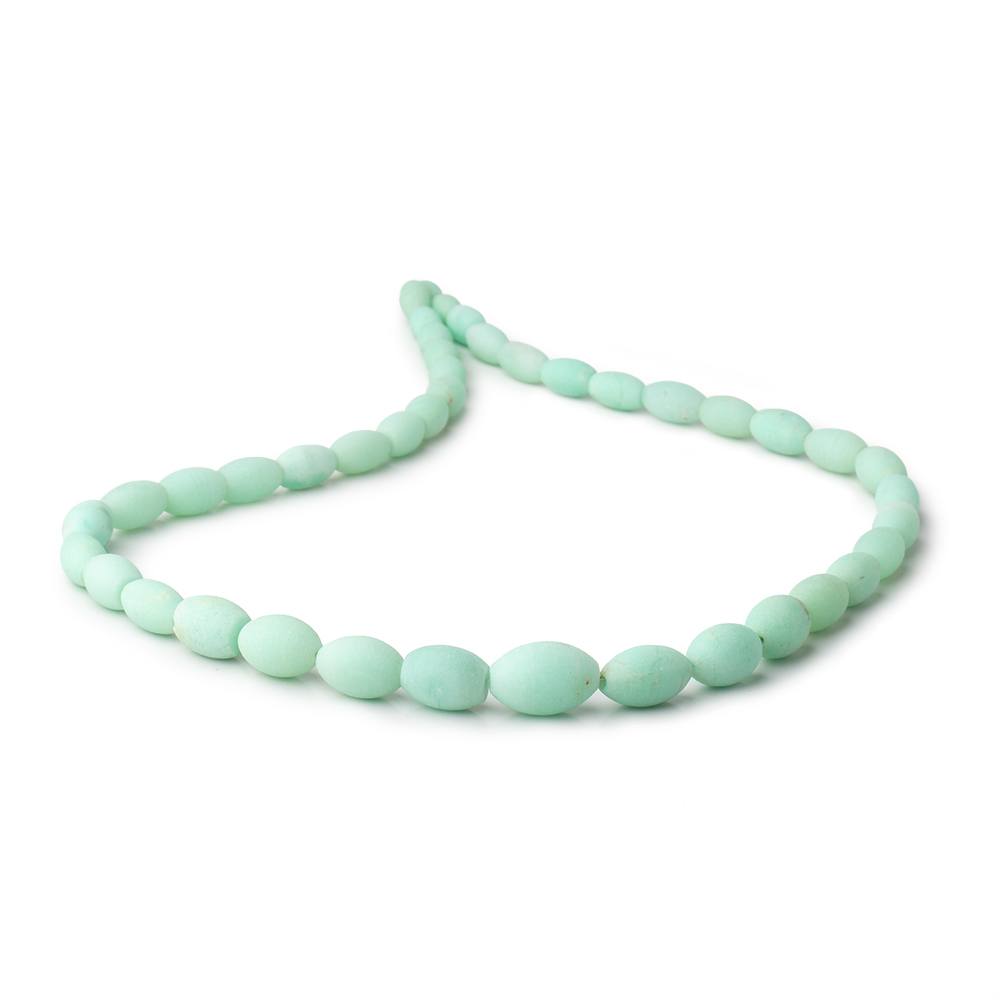
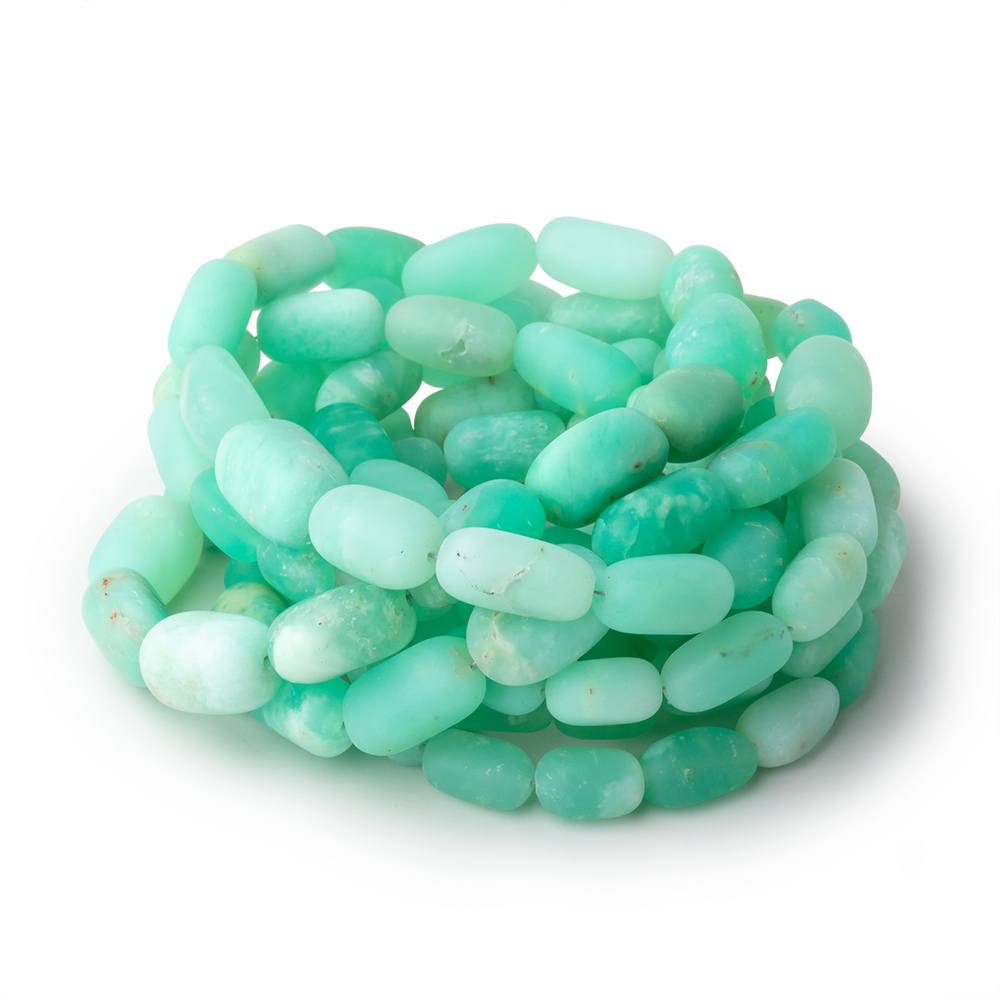
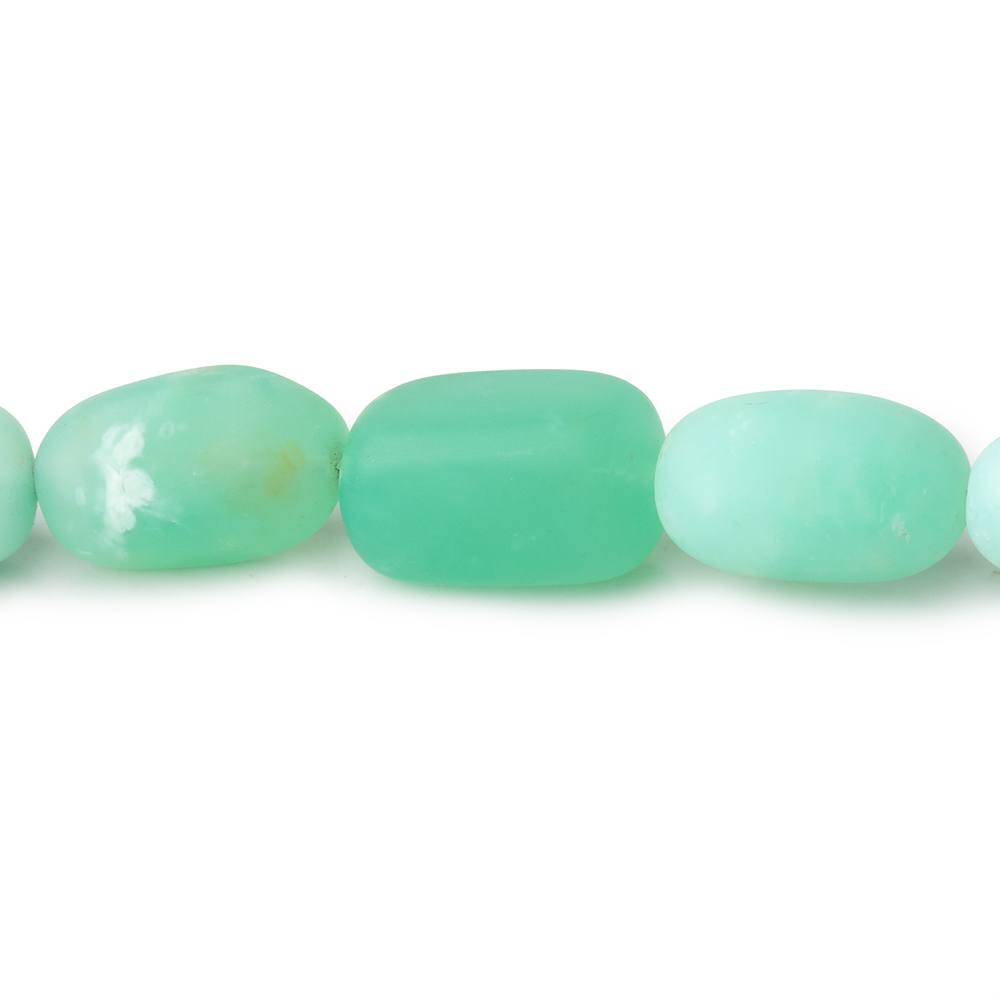
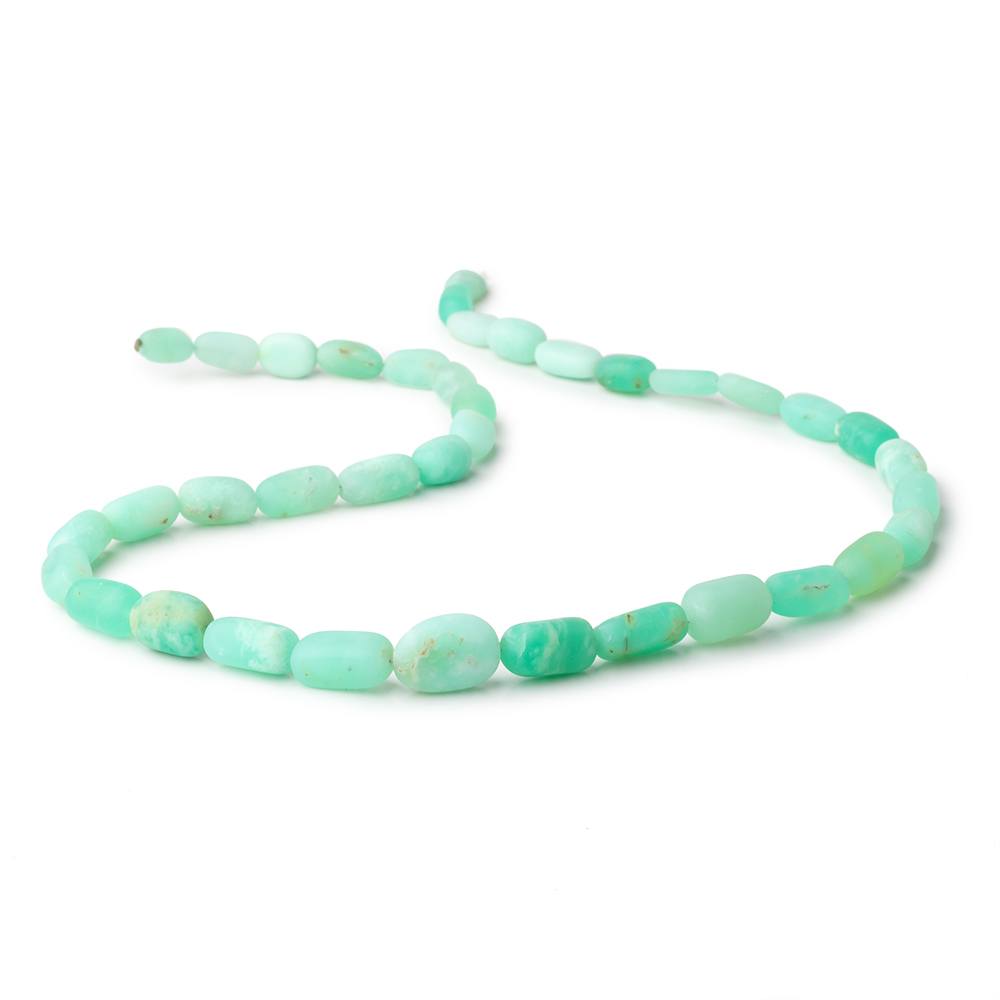
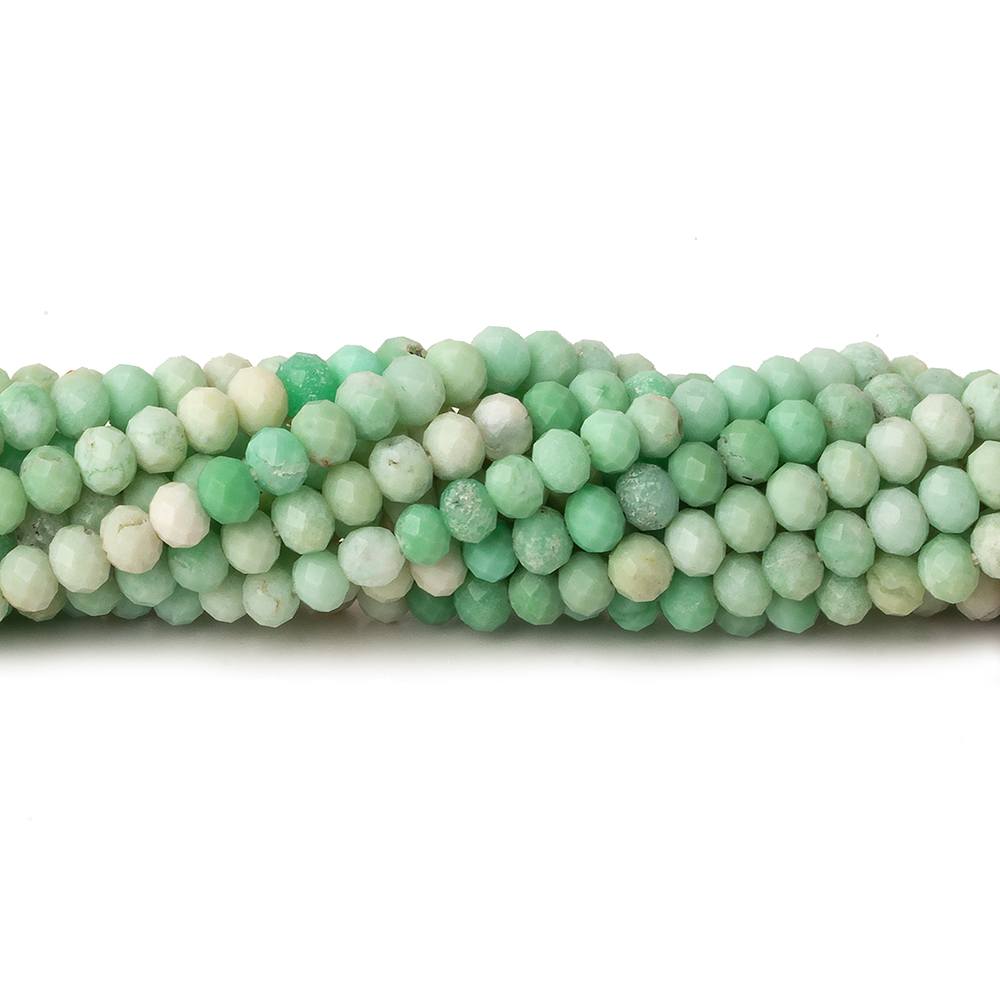
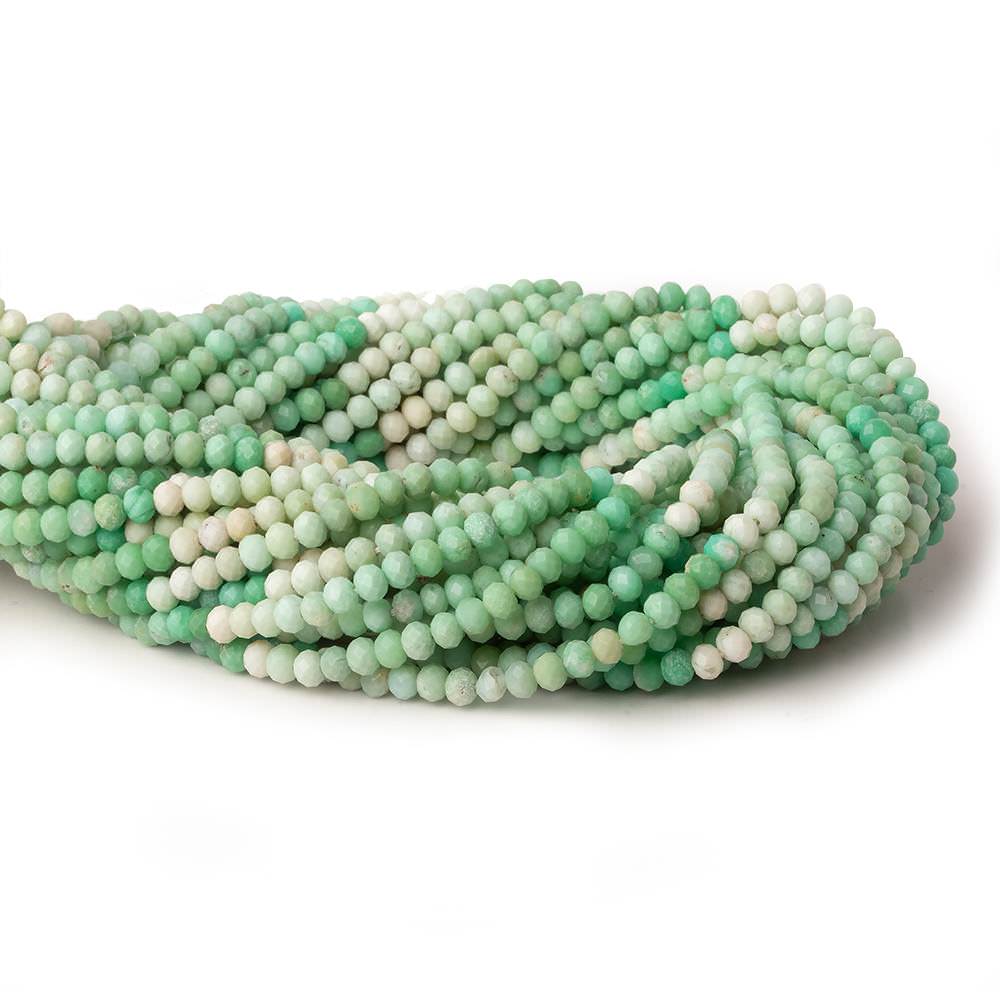
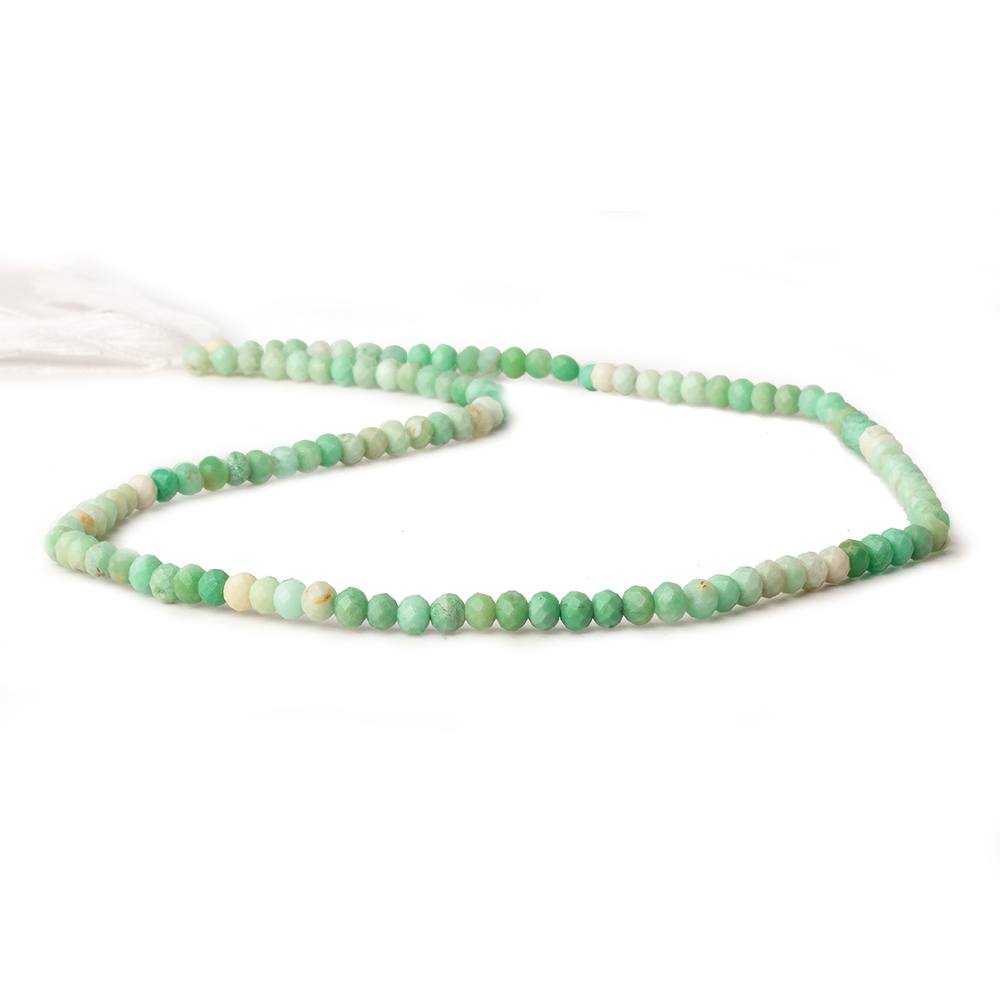
Our current opal lineup leans into color, with greens at its heart. You'll see Prase Opal in plain rondelles, ovals, matte barrels, and freeform nuggets, some cut with the natural matrix left in for an earthy, organic look. These range from soft sage to deeper forest tones and come in smooth and micro-faceted finishes, so you can pick the texture that suits your design.
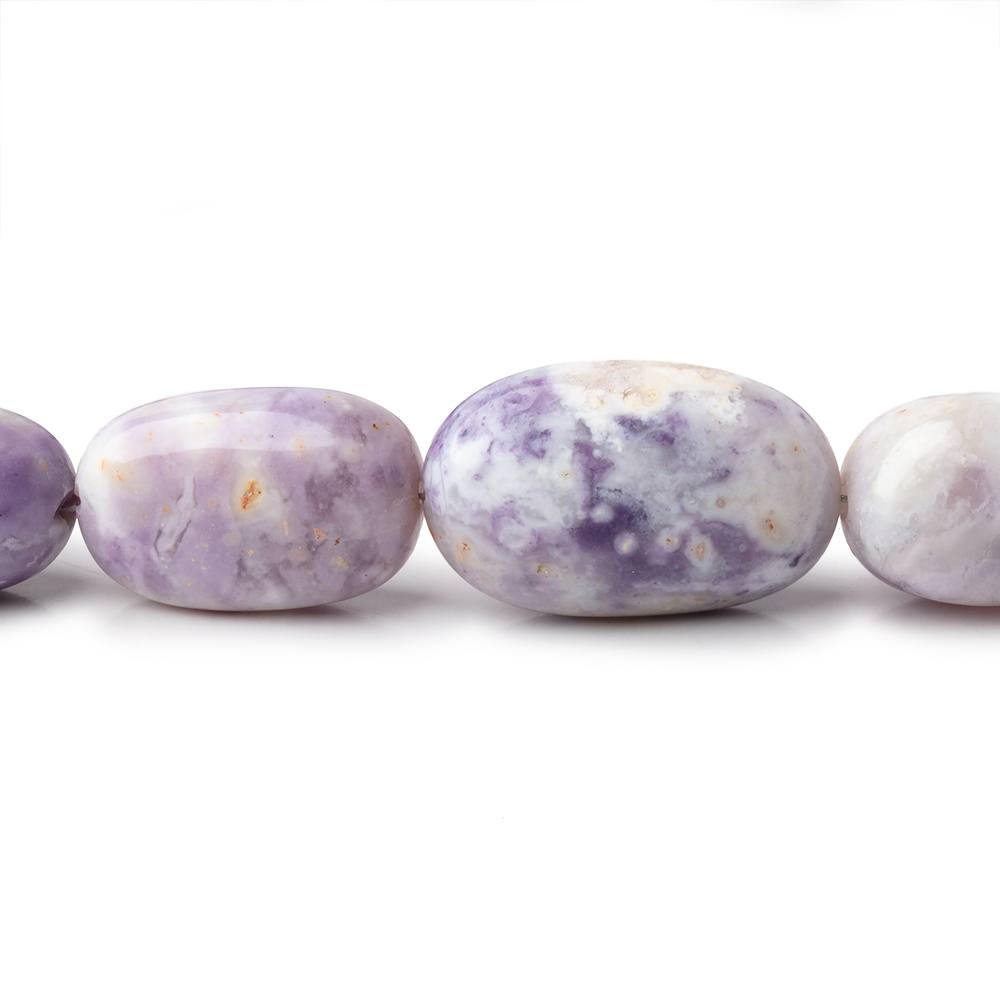
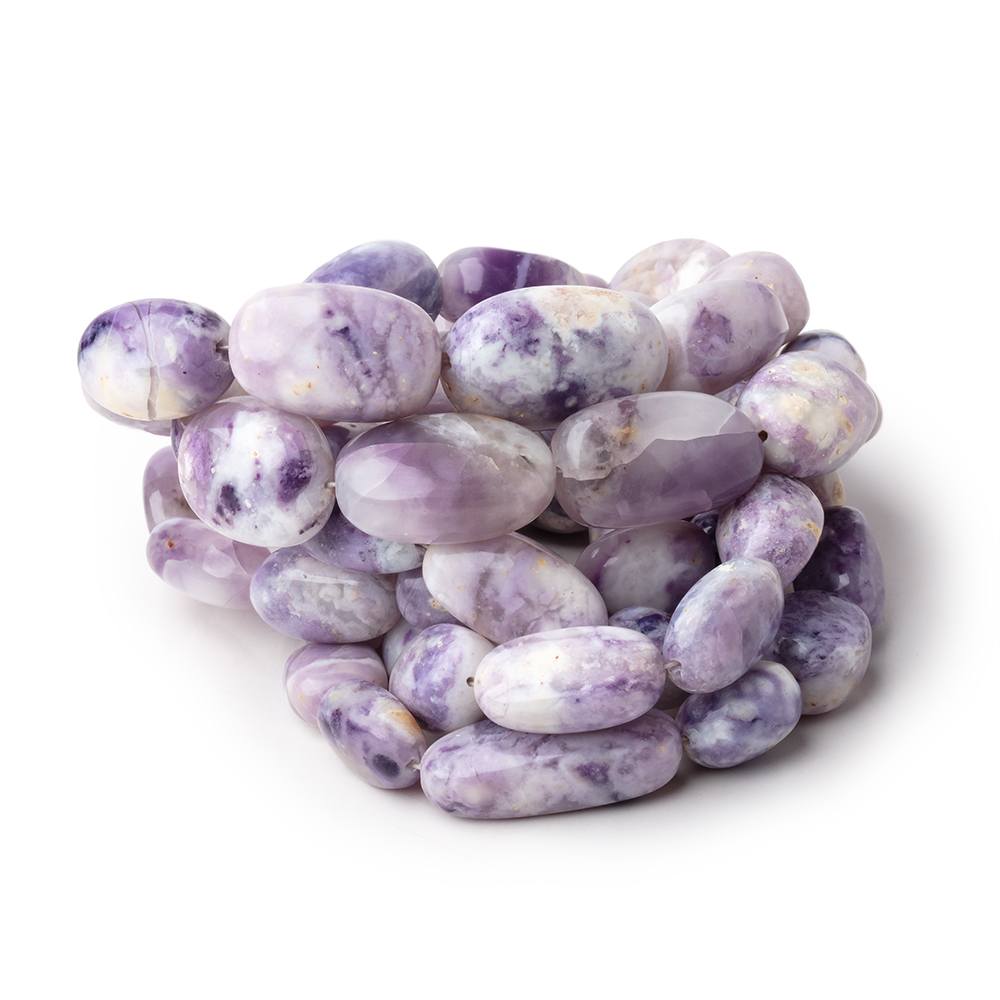
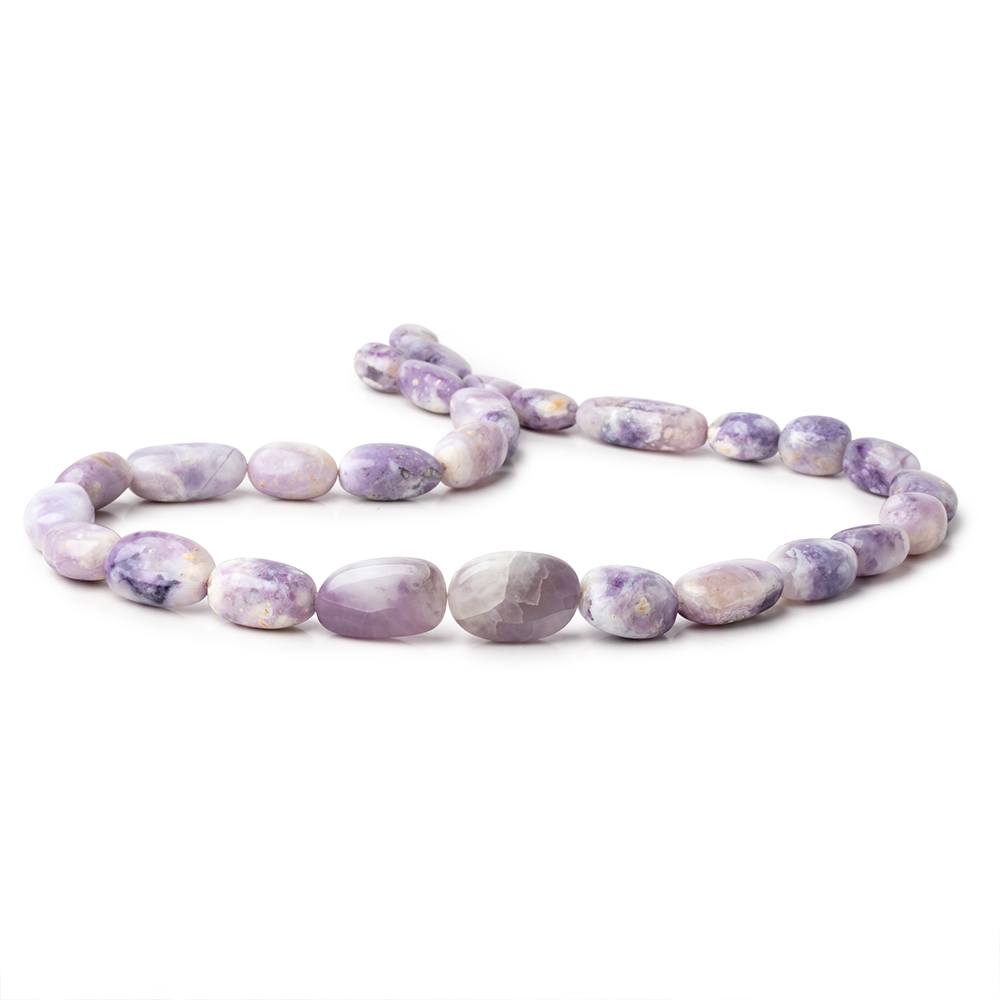
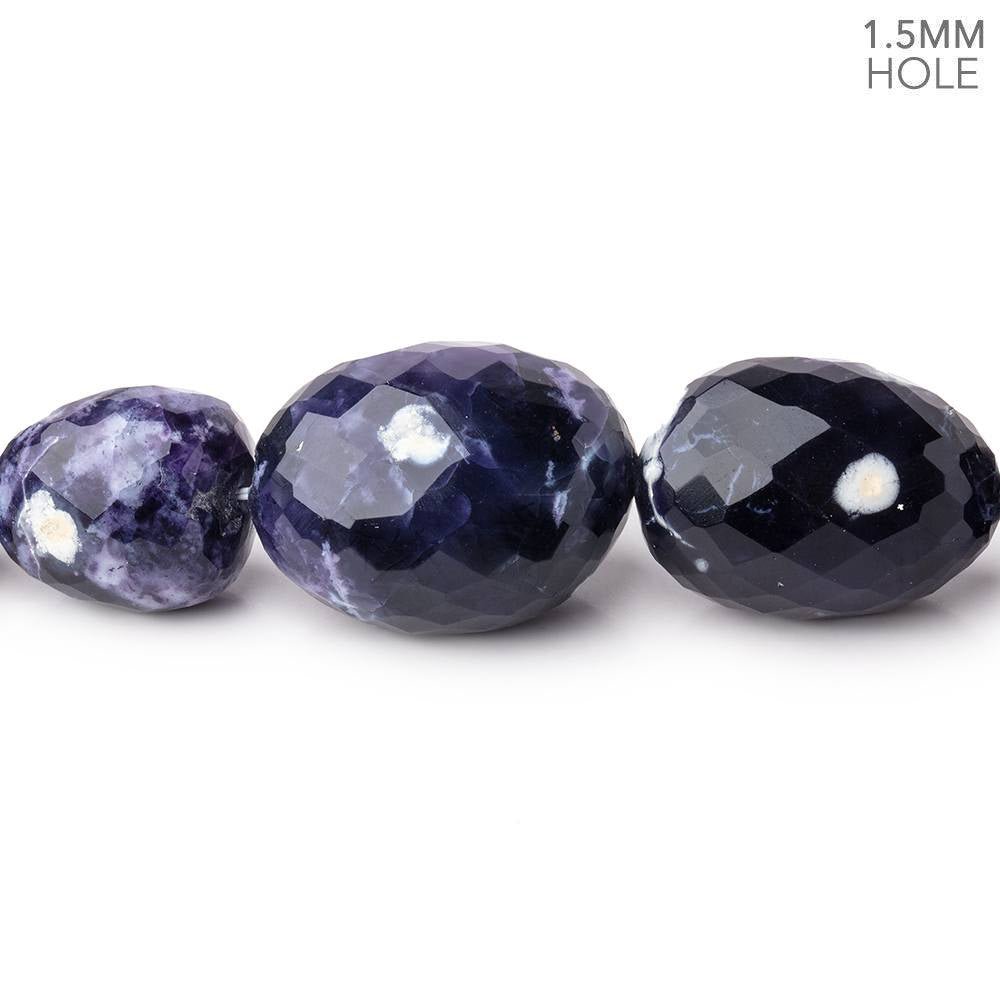
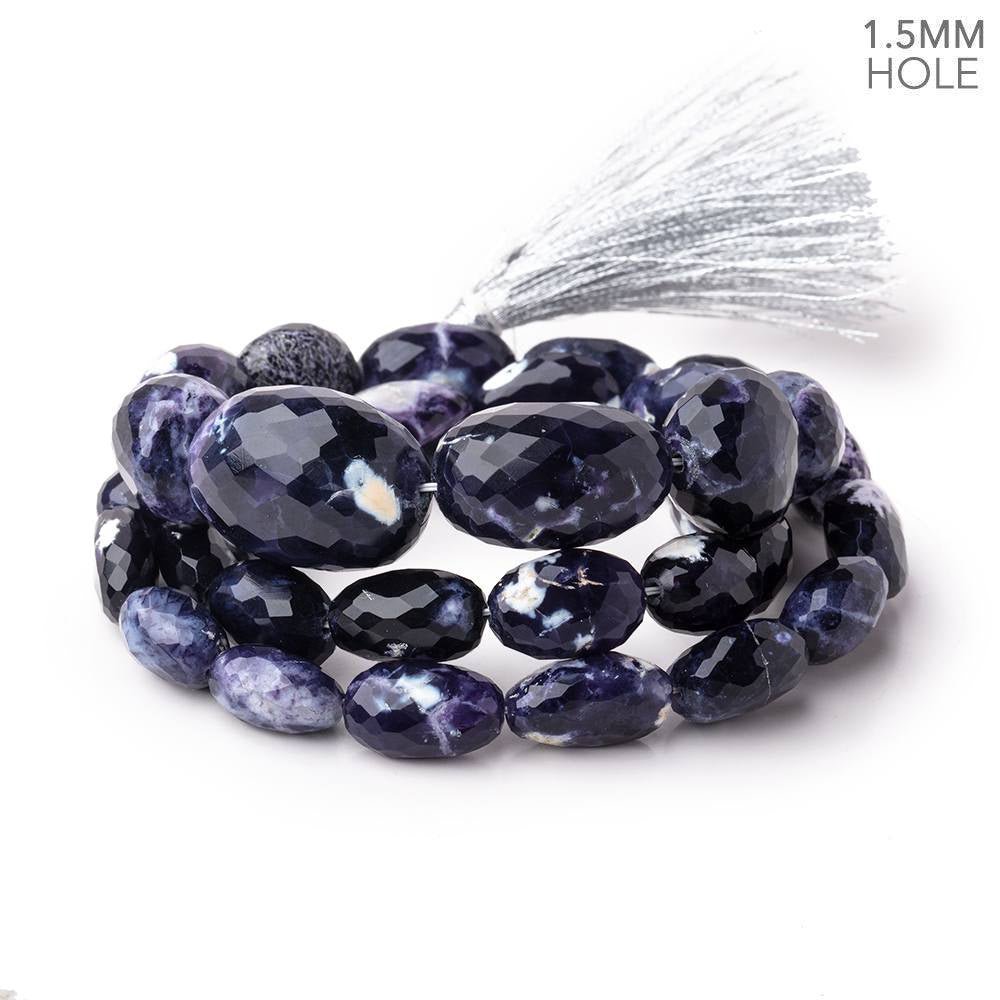
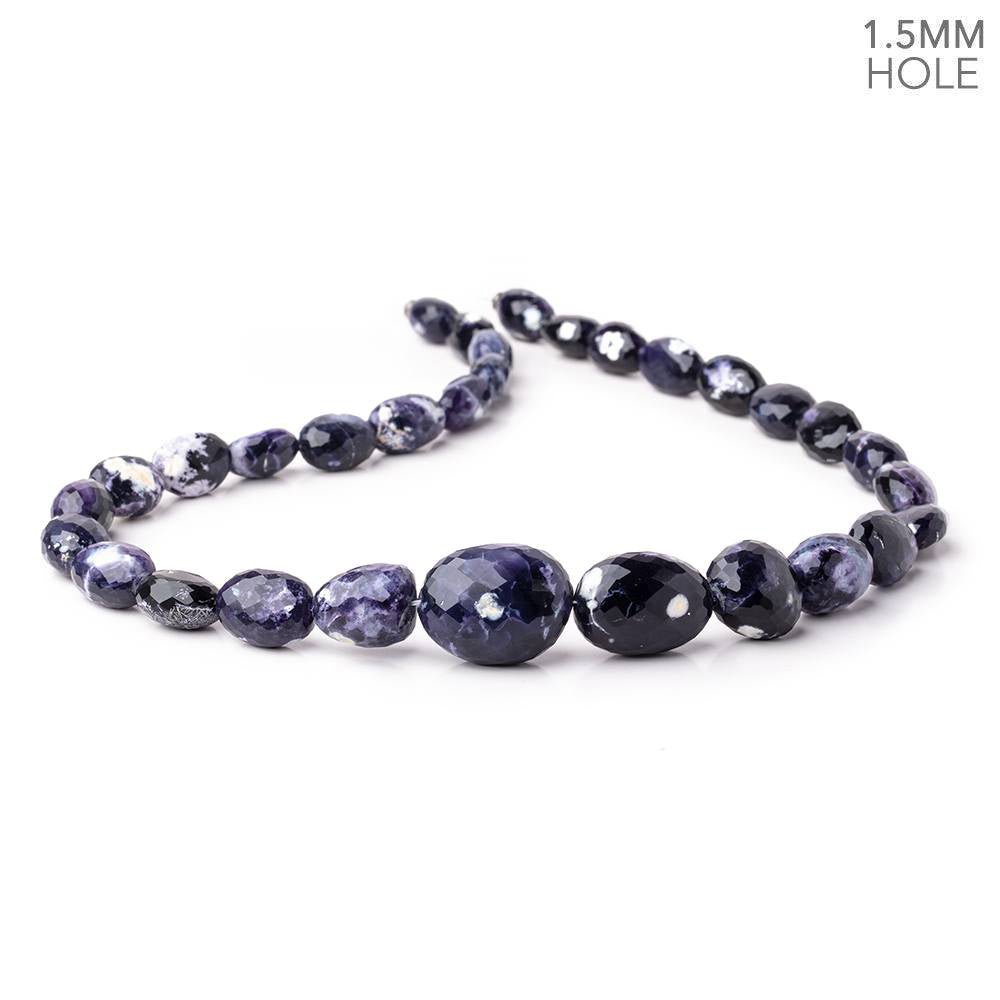
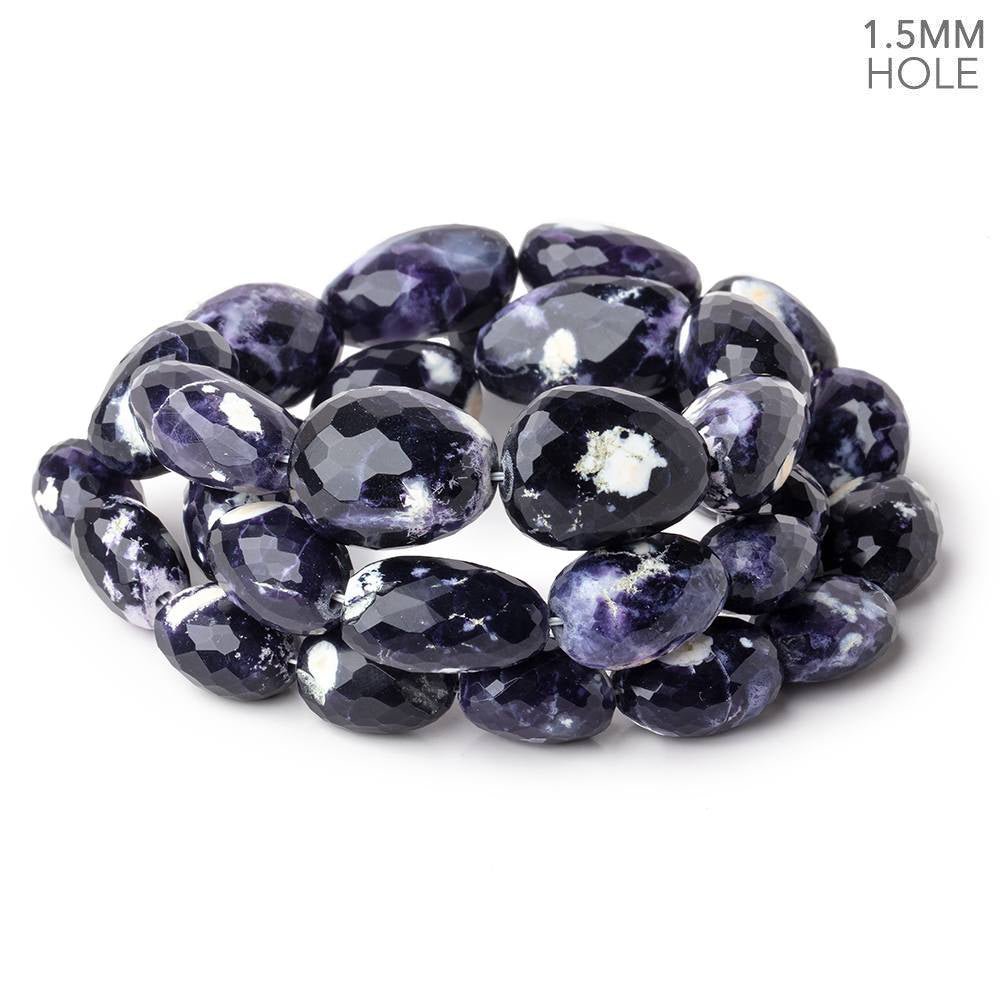
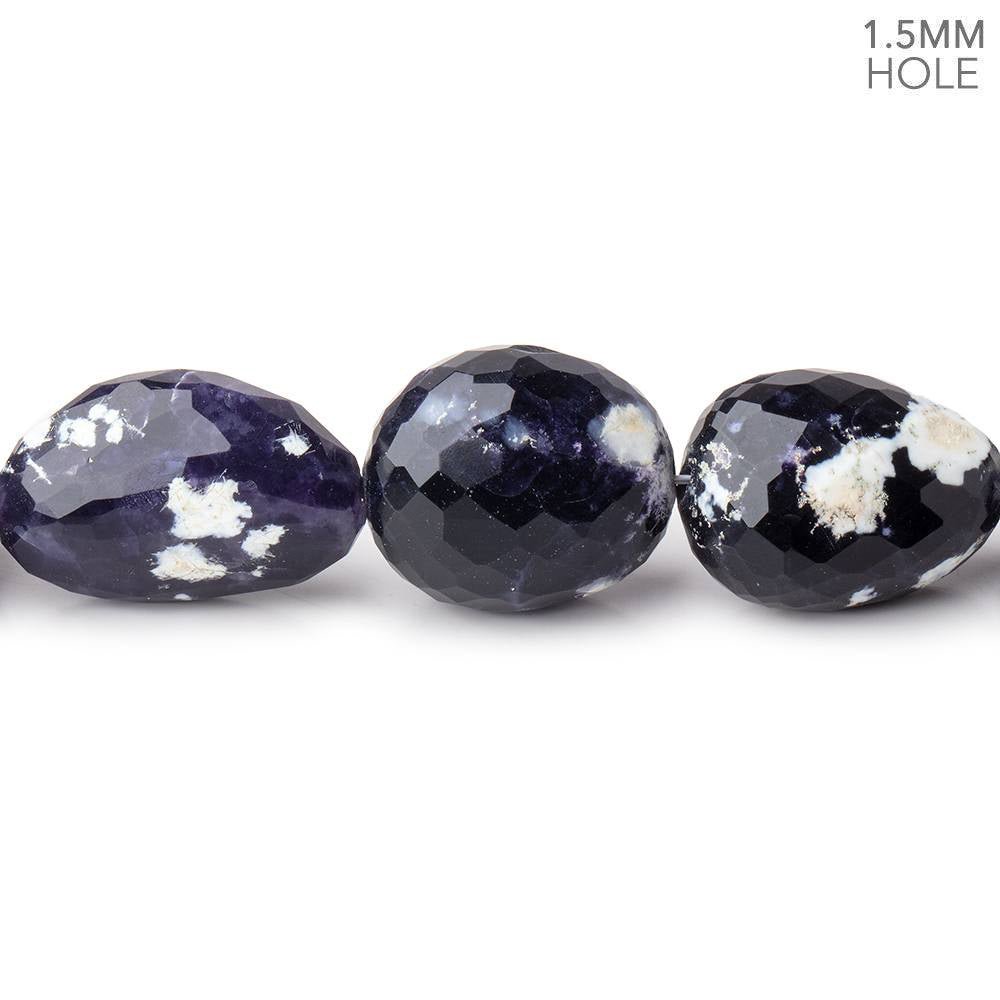
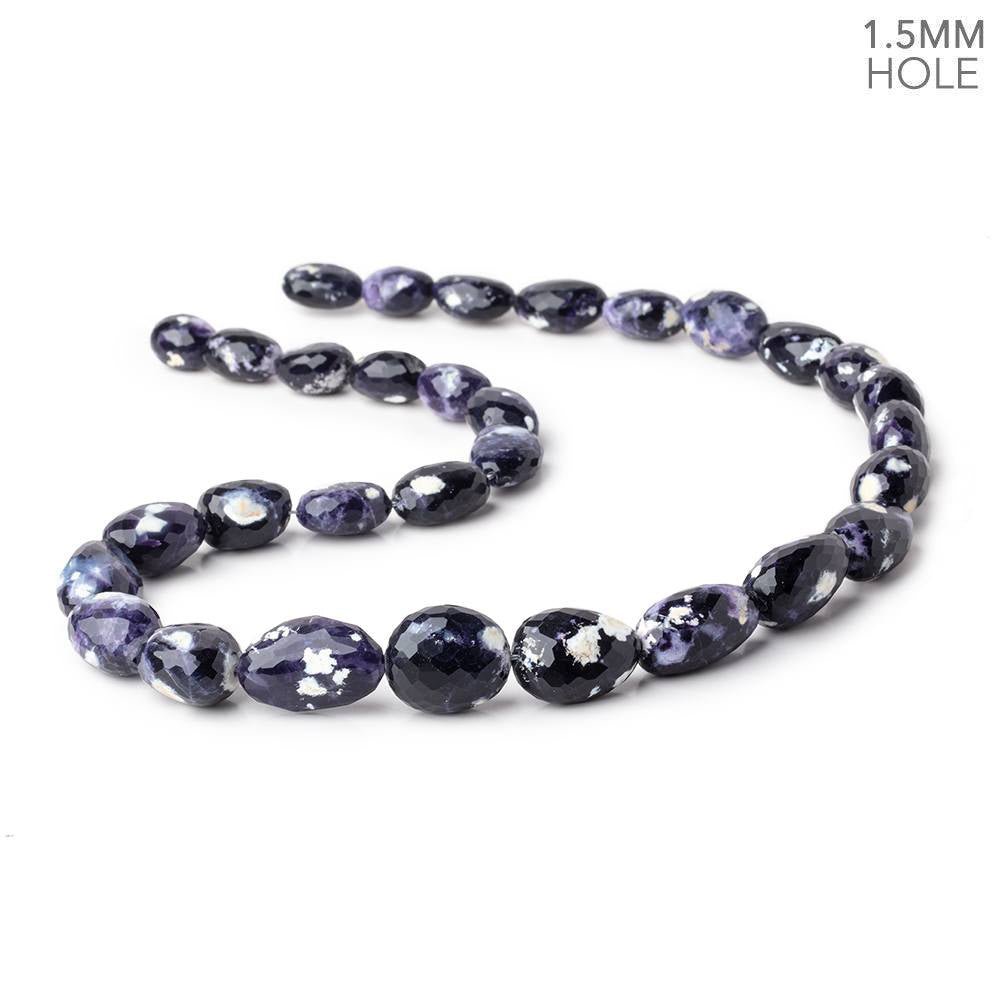
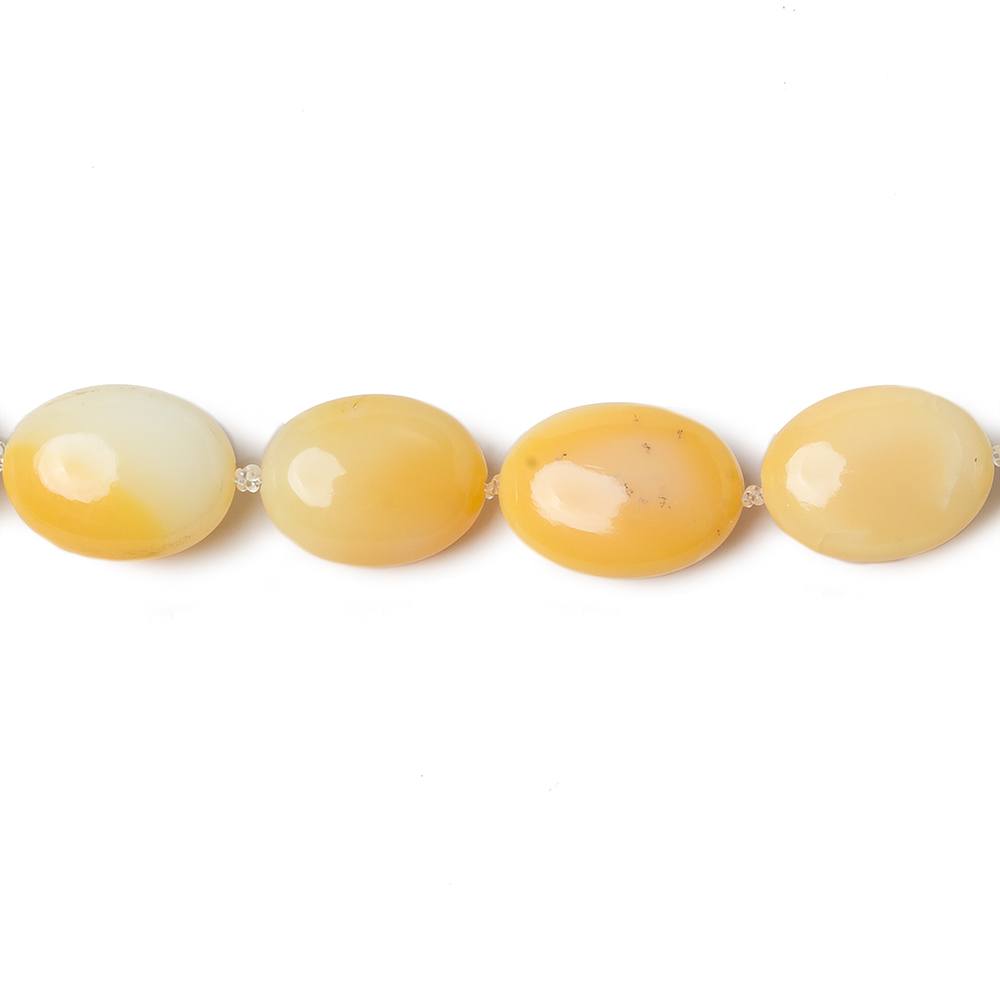
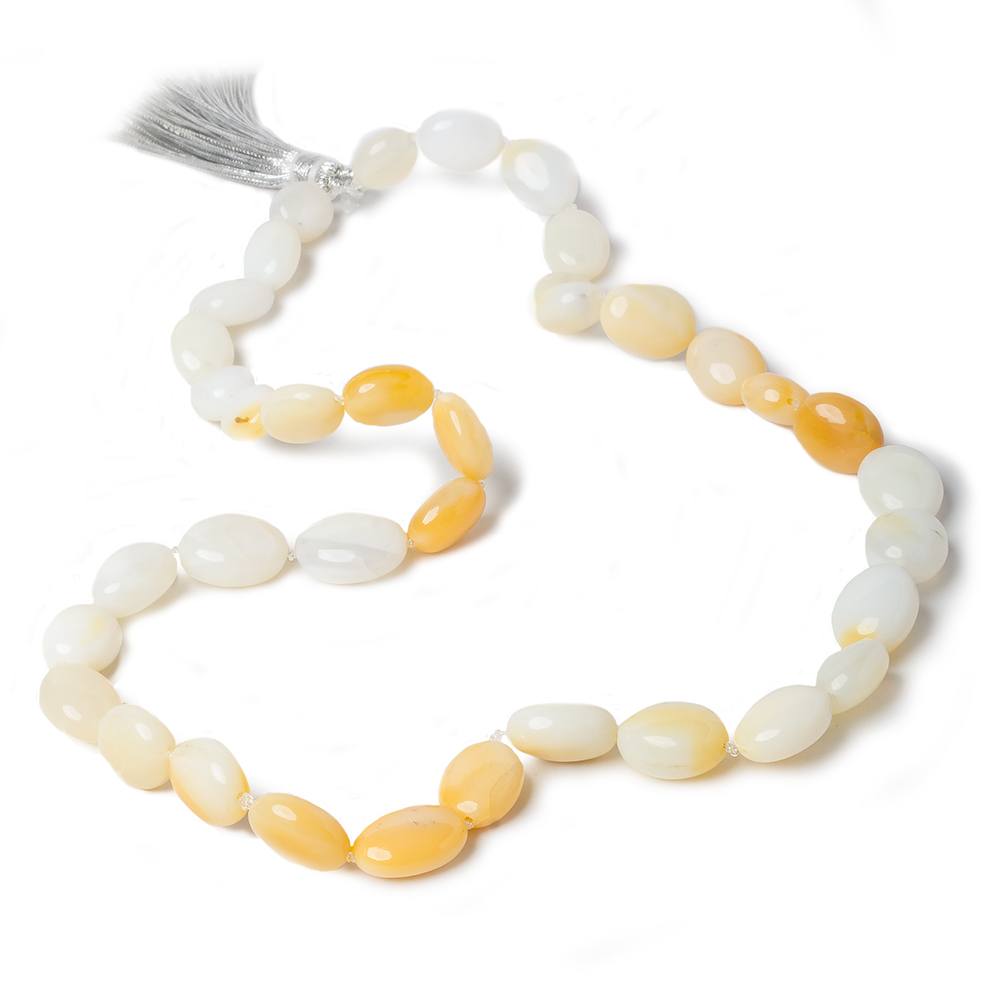
For richer color, our Morado Purple Opal nuggets (both plain and faceted, in AA and AAA grades) offer a dusky violet that's hard to find elsewhere. We also carry White and Yellow Opal ovals with warm, banded tones, plus Tanzanian Green Opal, a jade-like stone with a calm, opaque body.
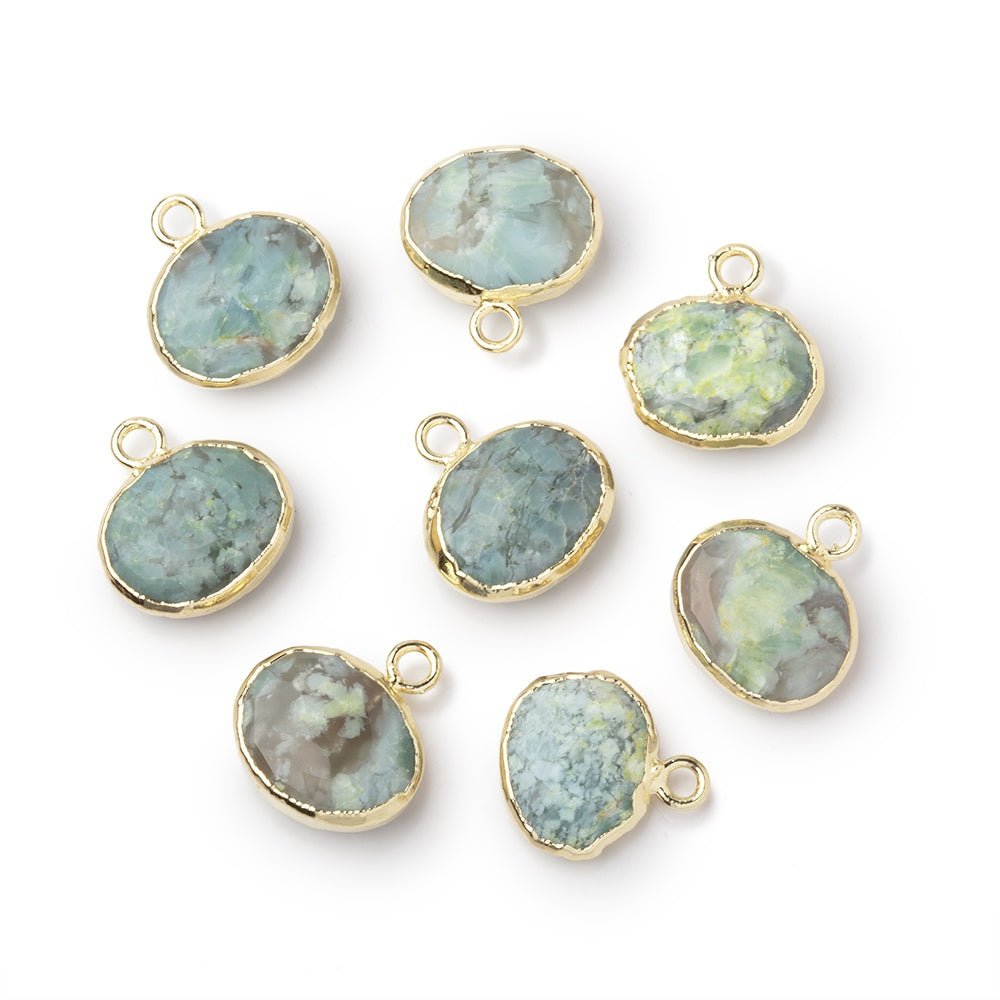
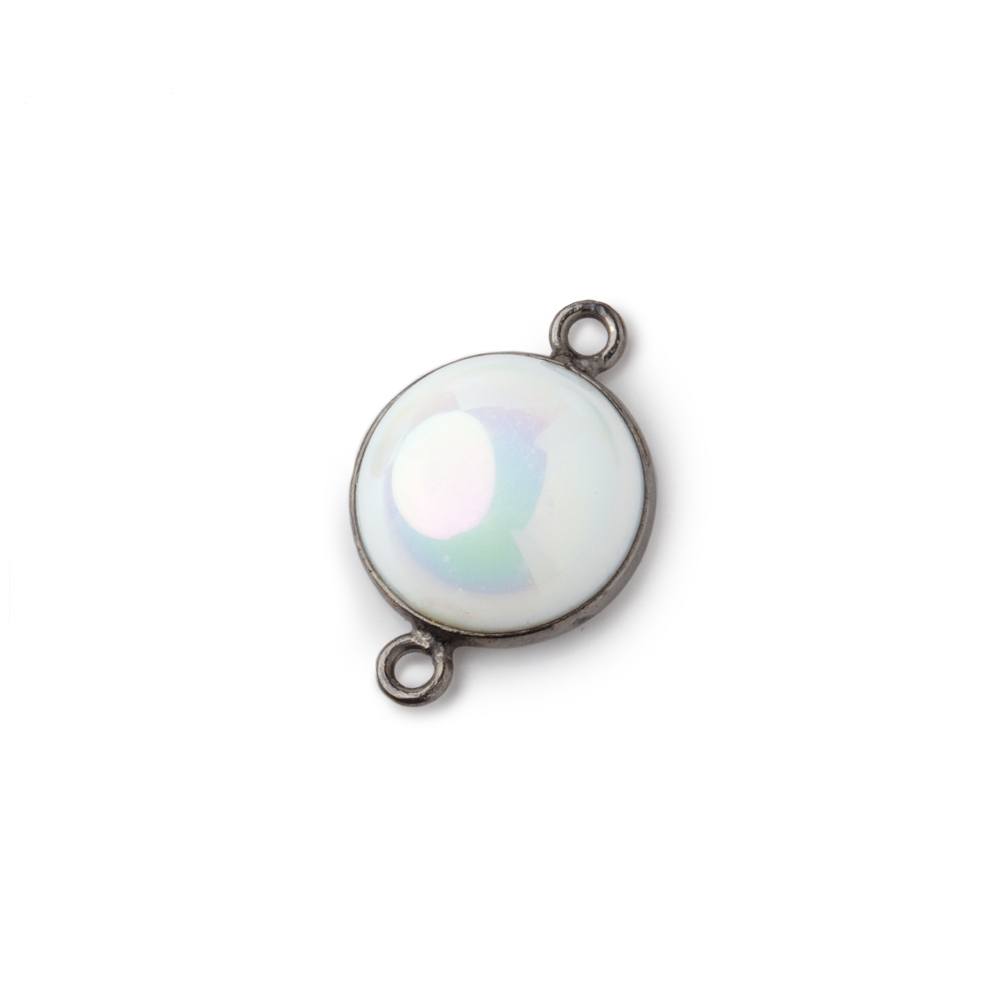
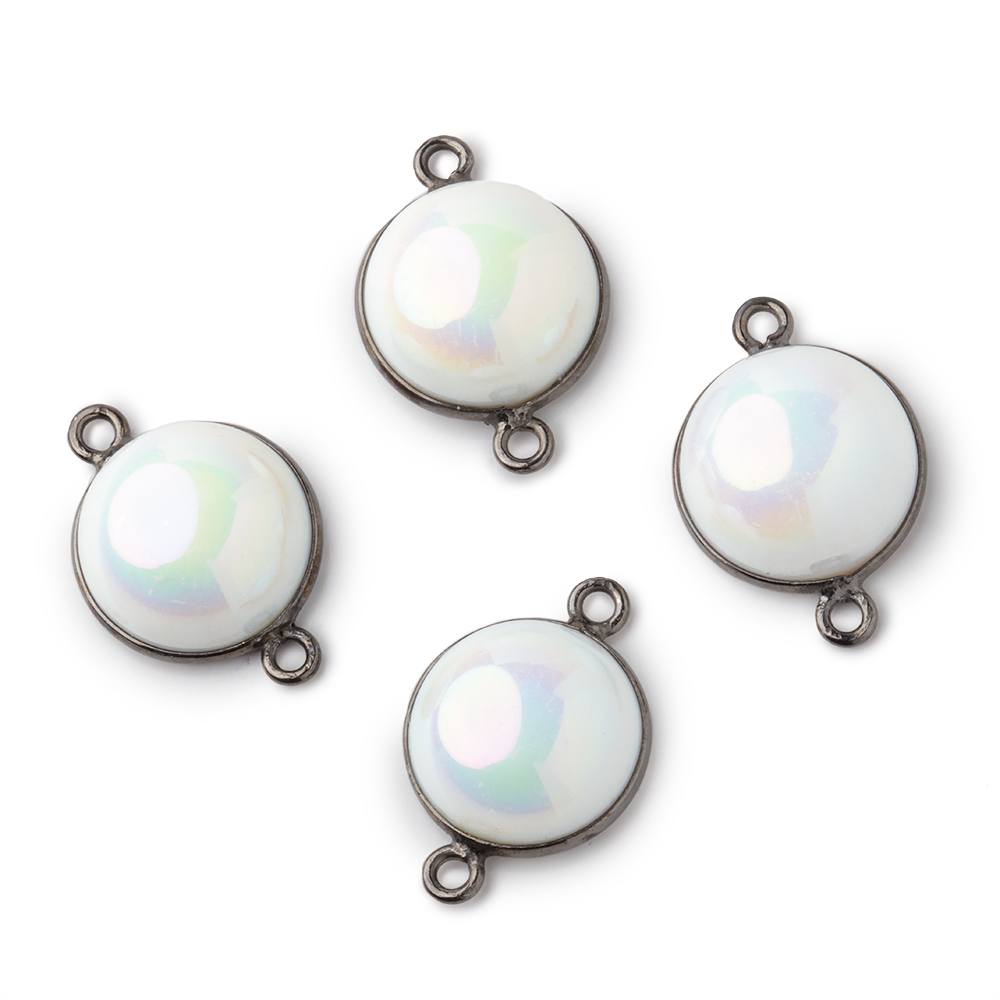
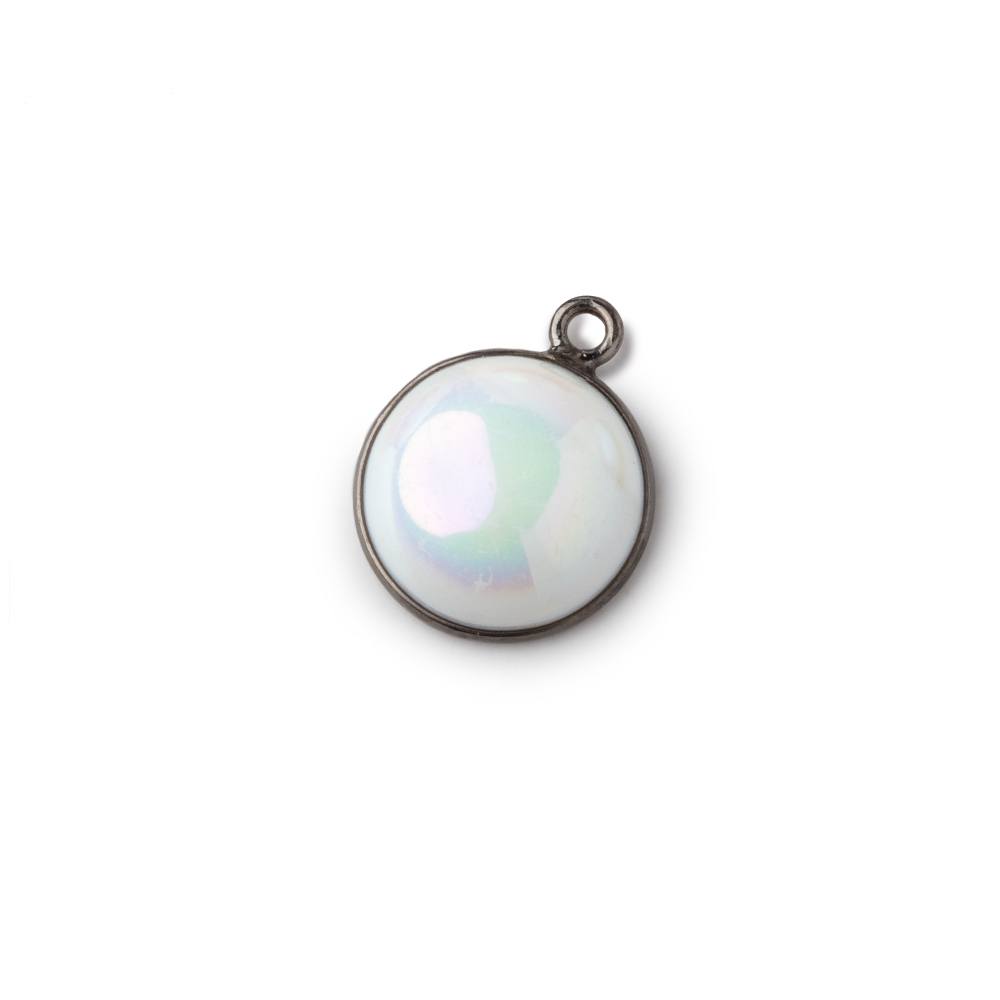
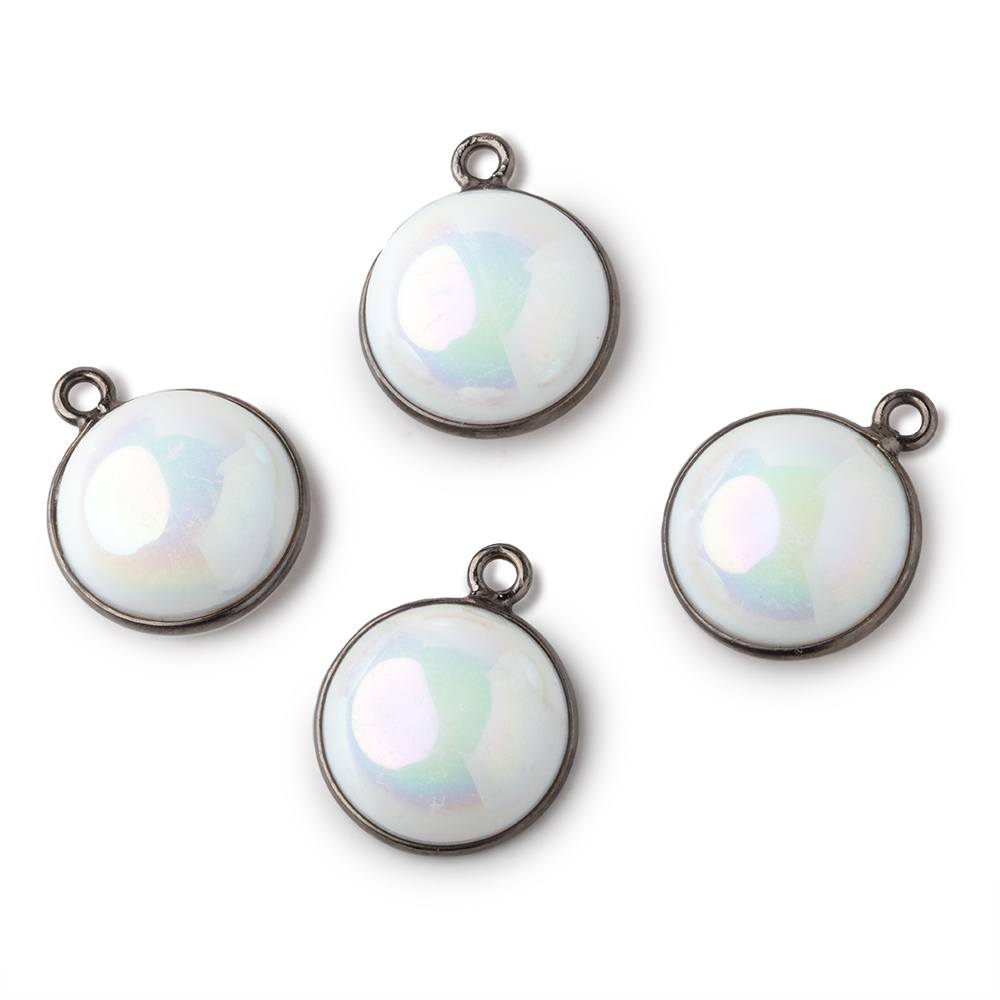
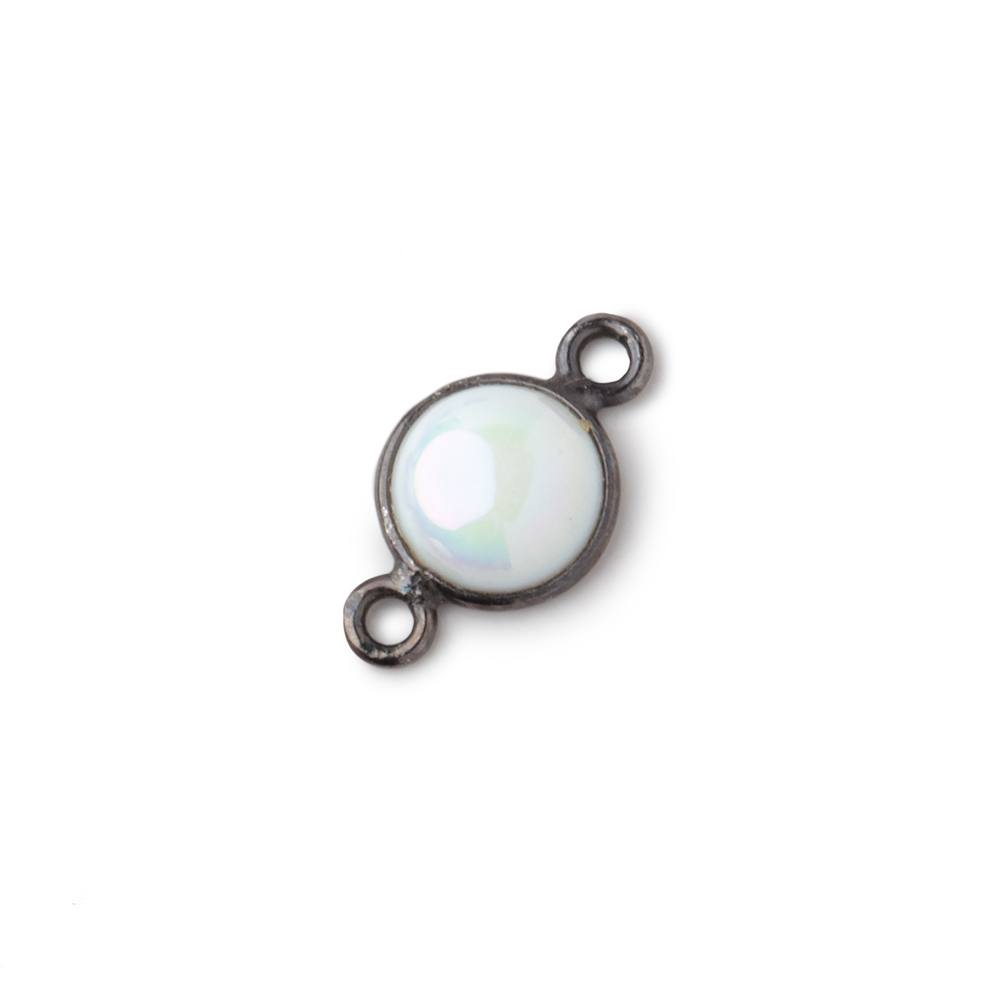
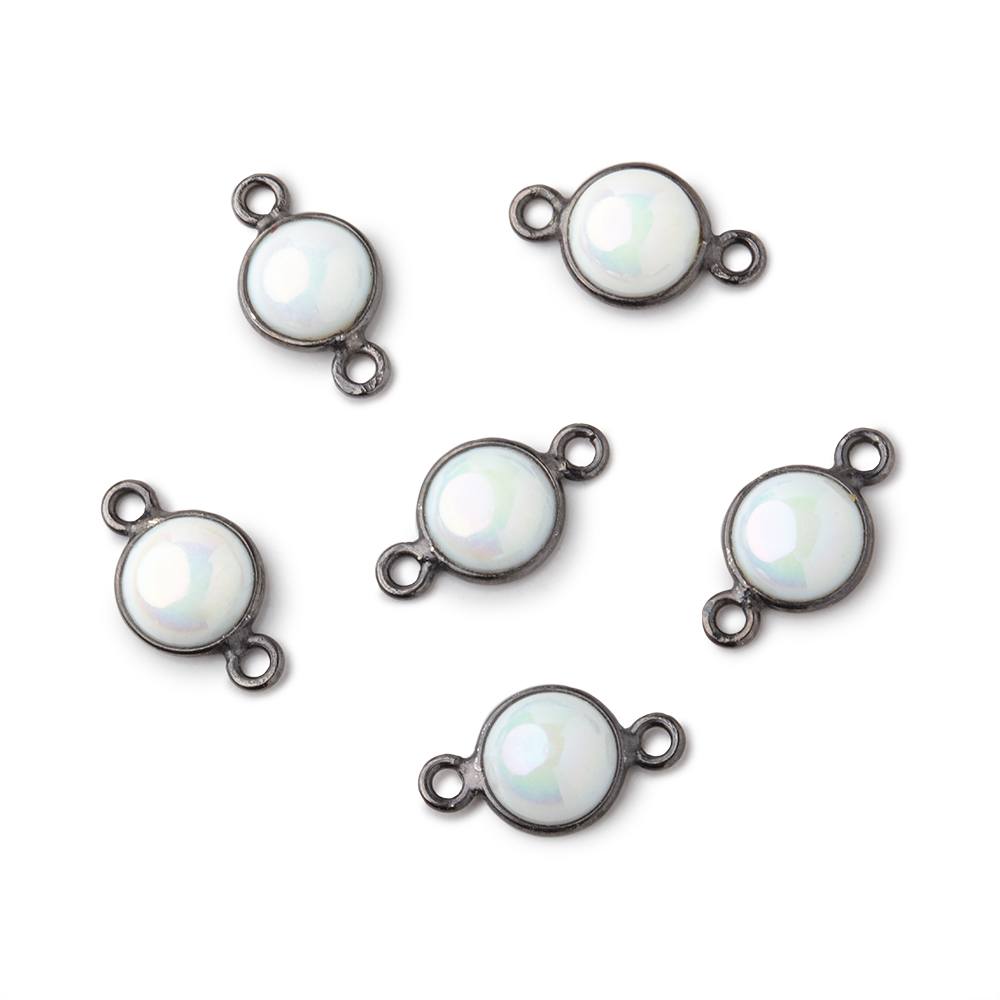
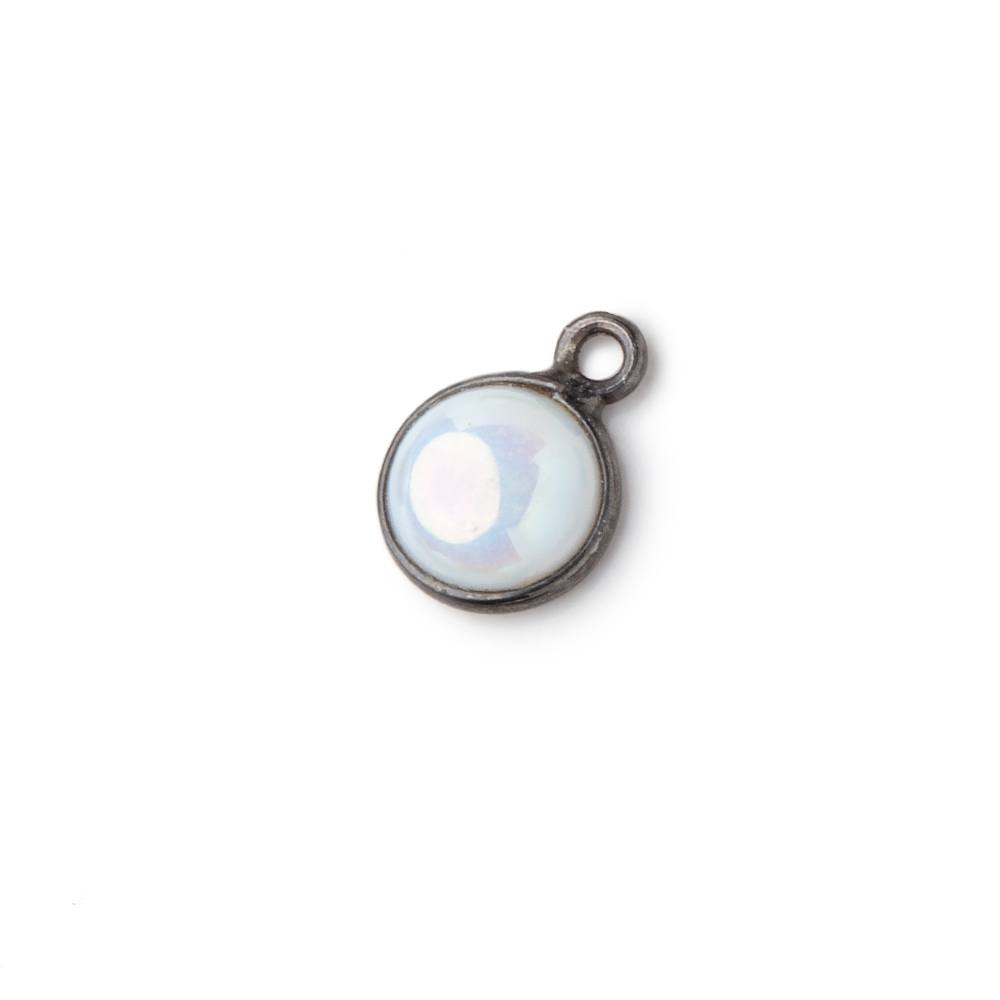
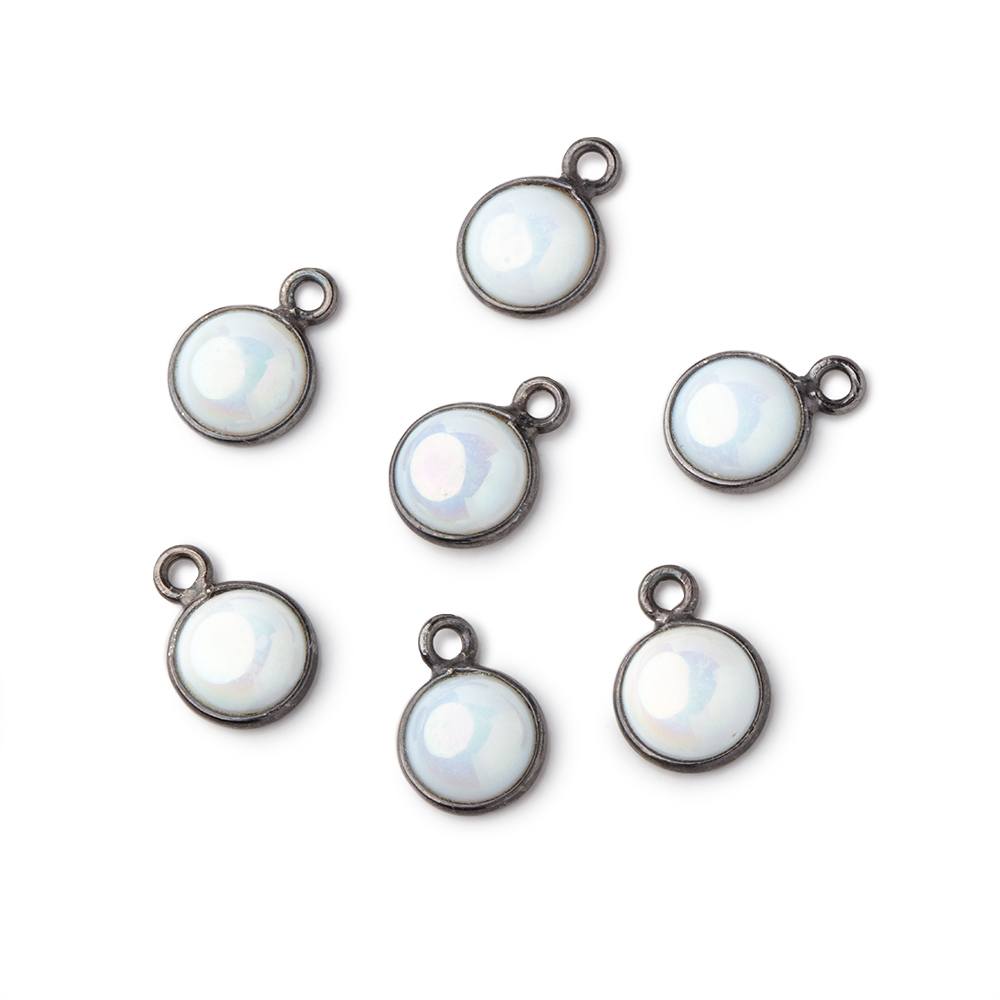
Rounding out the collection are our Blue Opal vermeil bezel connectors and gold-leafed focals, along with Mystic Opal cabochon connectors and pendants in white and grey-blue. A quick, honest note on those: the mystic and bezel-set pieces use a coating or setting to achieve their look, so they're treated rather than plain natural stone. The Prase, Morado, and Tanzanian opal strands are natural materials. We spell this out on each product page so you always know exactly what you're buying.
How To Choose the Right Opal Beads
Start with color and finish, then match the shape to your project. Smooth rondelles and heishi-style cuts sit flat and flow well in strung necklaces and wrap bracelets. Faceted nuggets and ovals catch more light and make lovely focal clusters or earring drops. Our bezel connectors and pendants are ready-made centerpieces if you'd rather build around a single statement piece.
Keep in mind that opal is a softer, water-bearing stone, resting around 5.5 to 6.5 on the Mohs hardness scale. It's perfectly durable for everyday jewelry when handled with a little care, but it's worth pairing with protective settings for rings and avoiding harsh chemicals or prolonged soaking. If you're layering opal with other gemstones, its neutral-to-pastel palette plays beautifully against metals and bolder stones alike.
A Quick Guide to Opal Varieties
Opal splits broadly into precious opal, which flashes rainbow "play of color," and common opal, which shows a solid, glowing body without the fireworks. Most of what you'll use for beading, including our green and purple strands, is common opal prized for its consistent color and workability. Other well-known types you may have read about include Ethiopian opal (first found in 1994 and loved for its bright fire), fire opal in warm reds and oranges, Peruvian opal in pink and blue, and Australian boulder and black opal. If you're specifically after fire or Ethiopian material, we stock those in dedicated collections linked below.
Why Buy Your Opal Beads From Us
Every strand we sell is hand-selected and quality-checked under the supervision of our in-house graduate gemologist, ensuring consistent color, drilling, and grading from one order to the next. Because we source directly from miners and gem farms, we can hold that quality bar while keeping our wholesale pricing fair, whether you're buying a single strand or stocking up for production. Beads of Cambay is a family-run business, and we've spent years helping jewelry designers find exactly the right materials for their work. If you ever have a question about a stone before you buy, just reach out.
Related Collections You Might Like
-
Looking for bright, fiery stones? Explore our Fire Opal Beads.
-
For rare, high-fire material, browse our Ethiopian Opal Beads.
-
Prefer soft pinks? See our Pink Peruvian Opal Beads.
-
Want the classic play-of-color look? Visit our Australian Opal Beads.
-
Explore the full range of Gemstone Beads across every stone type.
-
Shop by cut with our Faceted Rondelle Beads.
Opal Beads - Frequently Asked Questions
Are Your Opal Beads Natural or Treated?
It depends on the variety. Our Prase (green), Morado purple, and Tanzanian green opal strands are natural stone. The mystic-finish cabochons and bezel-set blue opal pieces are treated or coated to achieve their color and shine, and we clearly note this on each product page, so there's never any guesswork for you.
Is Opal Durable Enough for Everyday Jewelry?
Yes, with a little care. Opal sits around 5.5 to 6.5 on the Mohs scale, softer than quartz, so we recommend protective settings for rings and suggest keeping your pieces away from harsh cleaners and long water exposure. For necklaces, earrings, and bracelets, opal wears beautifully for years.
What’s the Difference Between Precious and Common Opal?
Precious opal shows a flashing rainbow "play of color," while common opal glows with a steady, solid body color instead. Most beading opal, including our green and purple strands, is common opal, valued for its rich, consistent color and how reliably it works up in a design.
Do You Offer Opal Beads at Wholesale Prices?
We do. Because we source directly from miners and gem farms, we're able to offer genuine opal beads at fair wholesale rates, whether you need one strand or a larger quantity for production. Create an account or check our wholesale page for details.
Hear what customers are saying about our service and products!
We are rated 4.9 out of 5 stars. 3000+ Five-Star Reviews.